Benefits of Minimally Invasive Surgery in Breast Cancer
Breast cancer treatment has evolved significantly over the years, moving from highly invasive procedures to more precise, patient-friendly approaches. One of the most transformative advancements in this space is minimally invasive breast surgery—a technique that prioritizes effectiveness while reducing physical and emotional strain on patients.
In this blog, we will explore what minimally invasive breast surgery is, how it works, and why it is becoming a preferred option in modern breast cancer care.
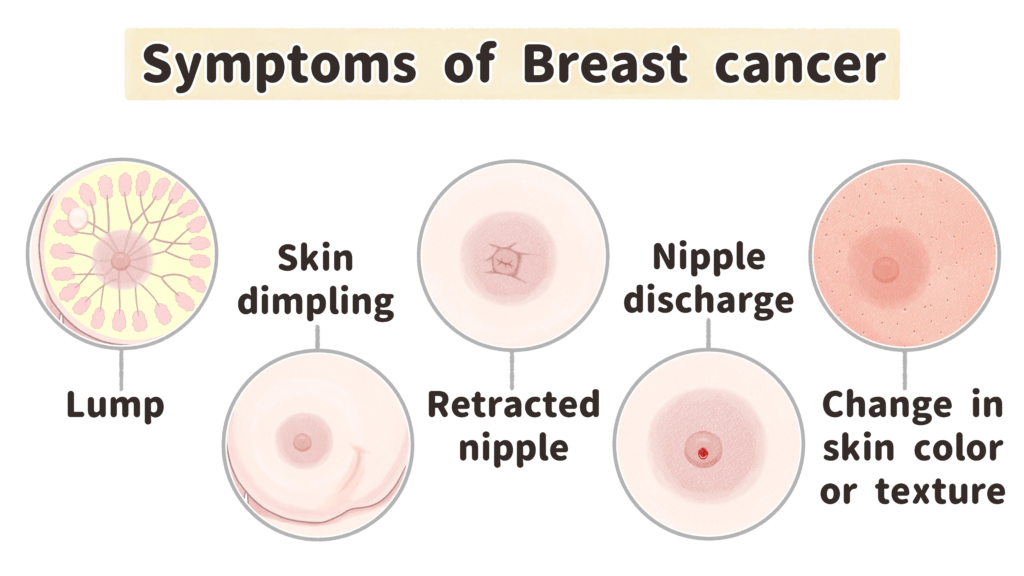
What Is Minimally Invasive Breast Surgery?
Minimally invasive breast surgery refers to surgical techniques that involve smaller incisions, less tissue disruption, and advanced imaging guidance to treat breast conditions, including cancer.
Unlike traditional open surgery, which may require larger cuts and longer recovery periods, minimally invasive procedures are designed to:
- Target the tumor with high precision
- Preserve as much healthy breast tissue as possible
- Reduce trauma to the body
These procedures often use technologies such as:
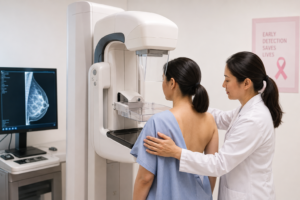
- Image-guided localization (ultrasound, mammography, MRI)
- Endoscopic or camera-assisted tools
- Specialized surgical instruments
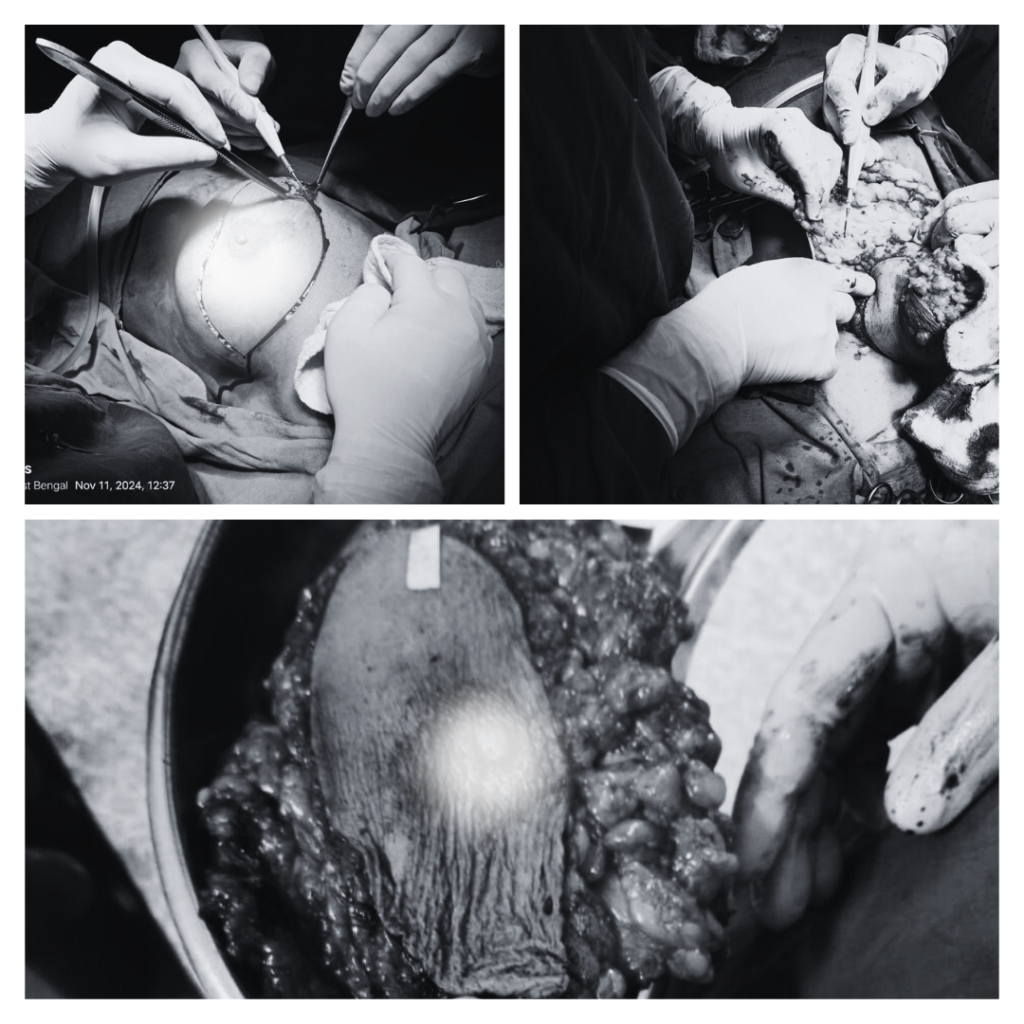
Types of Minimally Invasive Breast Surgery
1. Lumpectomy (Breast-Conserving Surgery)
This is one of the most common minimally invasive procedures, where only the tumor and a small margin of surrounding tissue are removed.
- Preserves most of the breast
- Often followed by radiation therapy
- Ideal for early-stage breast cancer
2. Sentinel Lymph Node Biopsy
Instead of removing multiple lymph nodes, surgeons remove only the first few lymph nodes (sentinel nodes) where cancer is likely to spread.
- Reduces risk of complications like lymphedema
- Less invasive than traditional lymph node dissection
3. Vacuum-Assisted Breast Biopsy (VABB)
A minimally invasive technique used for diagnosis and sometimes removal of small benign tumors.
- Performed under local anesthesia
- No need for stitches in most cases
4. Endoscopic Breast Surgery
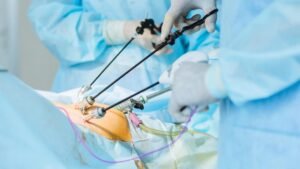
Uses a small camera (endoscope) inserted through tiny incisions to perform procedures with greater precision.
- Minimal scarring
- Enhanced visualization for surgeons

Benefits of Minimally Invasive Breast Surgery
1. Smaller Incisions and Minimal Scarring
One of the most noticeable advantages is the cosmetic outcome. Smaller incisions mean:
- Less visible scars
- Better preservation of breast appearance
- Improved self-confidence post-surgery
2. Faster Recovery Time
Patients typically recover much faster compared to traditional surgery.
- Shorter hospital stays
- Quicker return to daily activities
- Reduced physical discomfort
3. Less Pain and Discomfort
Because the procedure involves minimal tissue damage:
- Post-operative pain is significantly lower
- Reduced need for pain medications
4. Lower Risk of Complications
Minimally invasive techniques reduce the chances of:
- Infection
- Excessive bleeding
- Surgical trauma
5. Preservation of Healthy Tissue
These procedures are highly targeted, ensuring:
- Maximum removal of cancerous tissue
- Minimal impact on surrounding healthy tissue
6. Better Cosmetic Outcomes
For many patients, body image plays an important role in recovery.
- Maintains natural breast shape
- Reduces emotional distress associated with disfigurement
7. Improved Quality of Life
With less pain, faster healing, and better cosmetic results, patients often experience:
- Enhanced emotional well-being
- Greater confidence during recovery
- Reduced disruption to personal and professional life
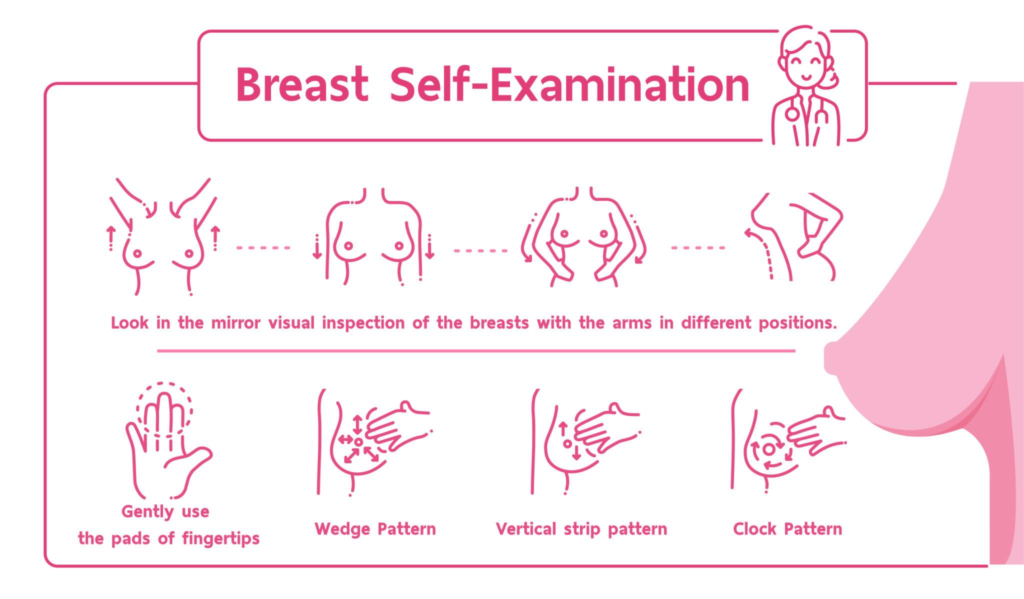
Who Is a Suitable Candidate?
Minimally invasive breast surgery is typically recommended for:
- Early-stage breast cancer patients
- Small, localized tumors
- Patients with no extensive lymph node involvement
However, suitability depends on several factors, including:
- Tumor size and location
- Overall health condition
- Medical history
A qualified breast surgeon will evaluate these factors before recommending the best treatment plan.
Are There Any Limitations?
While minimally invasive techniques offer numerous benefits, they may not be suitable for:
- Advanced or large tumors
- Multiple tumors in different areas of the breast
- Certain complex medical conditions
In such cases, traditional surgery may still be necessary.
The Future of Breast Cancer Surgery
With continuous advancements in medical technology, minimally invasive breast surgery is becoming more refined and widely accessible. Innovations such as robotic-assisted surgery and improved imaging techniques are expected to further enhance precision and patient outcomes.
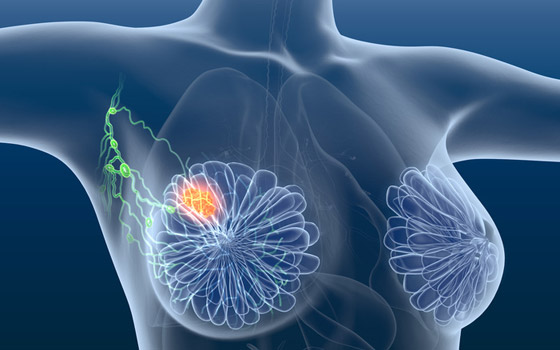
Conclusion
Minimally invasive breast surgery represents a significant leap forward in breast cancer treatment. By combining precision, safety, and patient comfort, it offers a more compassionate and effective approach to care.
If detected early, breast cancer can often be treated successfully with these advanced techniques—allowing patients not just to survive, but to recover with dignity, confidence, and a better quality of life.
FAQs
1. Is minimally invasive breast surgery safe?
Yes, it is considered safe and effective when performed by experienced surgeons and for appropriately selected patients.
2. Will I need radiation after surgery?
In many cases, especially after a lumpectomy, radiation therapy is recommended to reduce the risk of recurrence.
3. How long does recovery take?
Recovery can range from a few days to a couple of weeks, depending on the procedure and individual health.
4. Does it completely remove cancer?
The goal is to remove all cancerous tissue, often combined with other treatments like radiation or chemotherapy for best results.
5. Is there a risk of recurrence?
Like any cancer treatment, there is a risk, but early detection and proper treatment significantly reduce it.
Consult Dr. Pollob Saha – Expert in Laparoscopic and Oncological Surgeries
With years of expertise in minimally invasive surgeries, Dr. Pollob Saha has helped countless patients get accurate diagnoses and effective treatments for complex abdominal conditions.
Whether you’re seeking evaluation for suspected abdominal metastases or need advanced laparoscopic intervention, you’re in safe hands.
📞 Phone: (+91) 9830088321
🌐 Website: https://drpallabsahasurgeonkolkata.in/
📧 Email: drpallabsaha20@gmail.com