Combining Cancer Removal with Cosmetic Outcomes
Breast cancer treatment is no longer just about removing the disease—it’s also about preserving a patient’s confidence, body image, and quality of life. This is where oncoplastic breast surgery plays a transformative role.
By combining cancer surgery with plastic and reconstructive techniques, oncoplastic surgery ensures that patients receive effective cancer treatment without compromising on aesthetic outcomes.
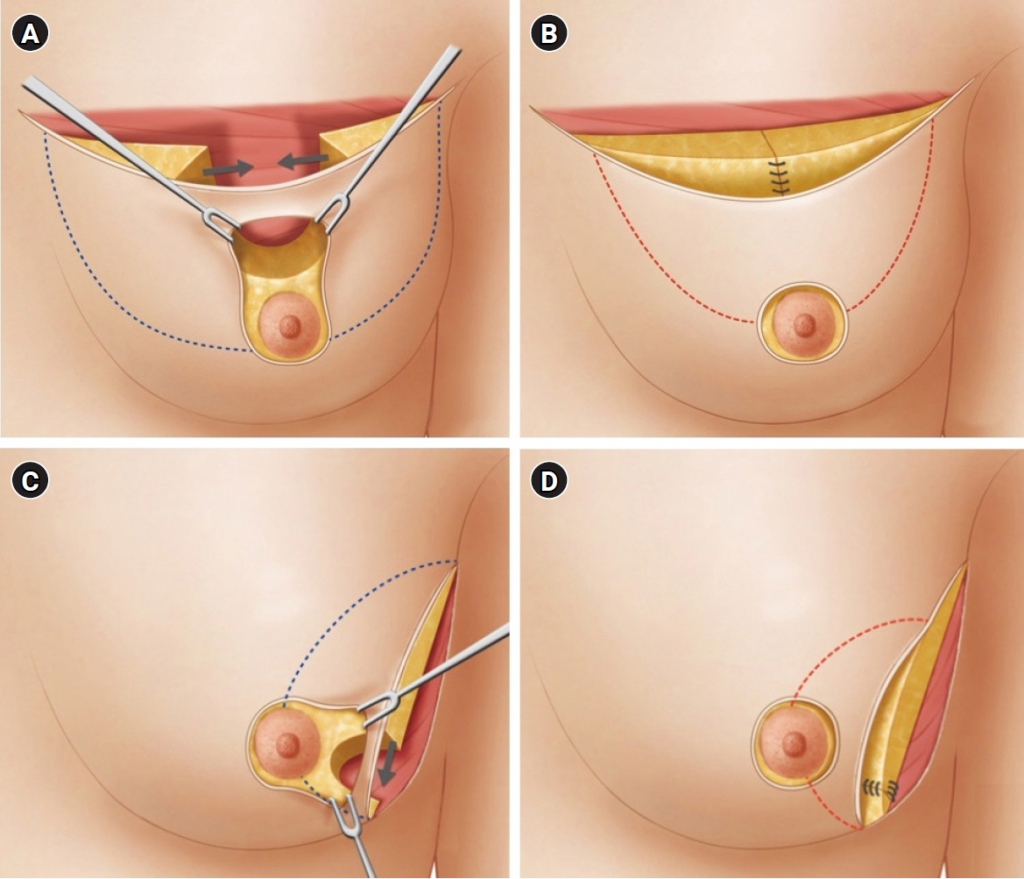
What Is Oncoplastic Breast Surgery?
Oncoplastic breast surgery is an advanced surgical approach that integrates:
- Oncologic surgery (removal of cancer)
- Plastic surgery techniques (reshaping and reconstruction of the breast)
The goal is to completely remove the tumor while maintaining or even improving the appearance of the breast.
Unlike traditional breast cancer surgeries, which may leave noticeable deformities or asymmetry, oncoplastic procedures are designed to:
- Preserve breast shape and contour
- Minimize visible scarring
- Restore symmetry between both breasts
How Does Oncoplastic Surgery Work?
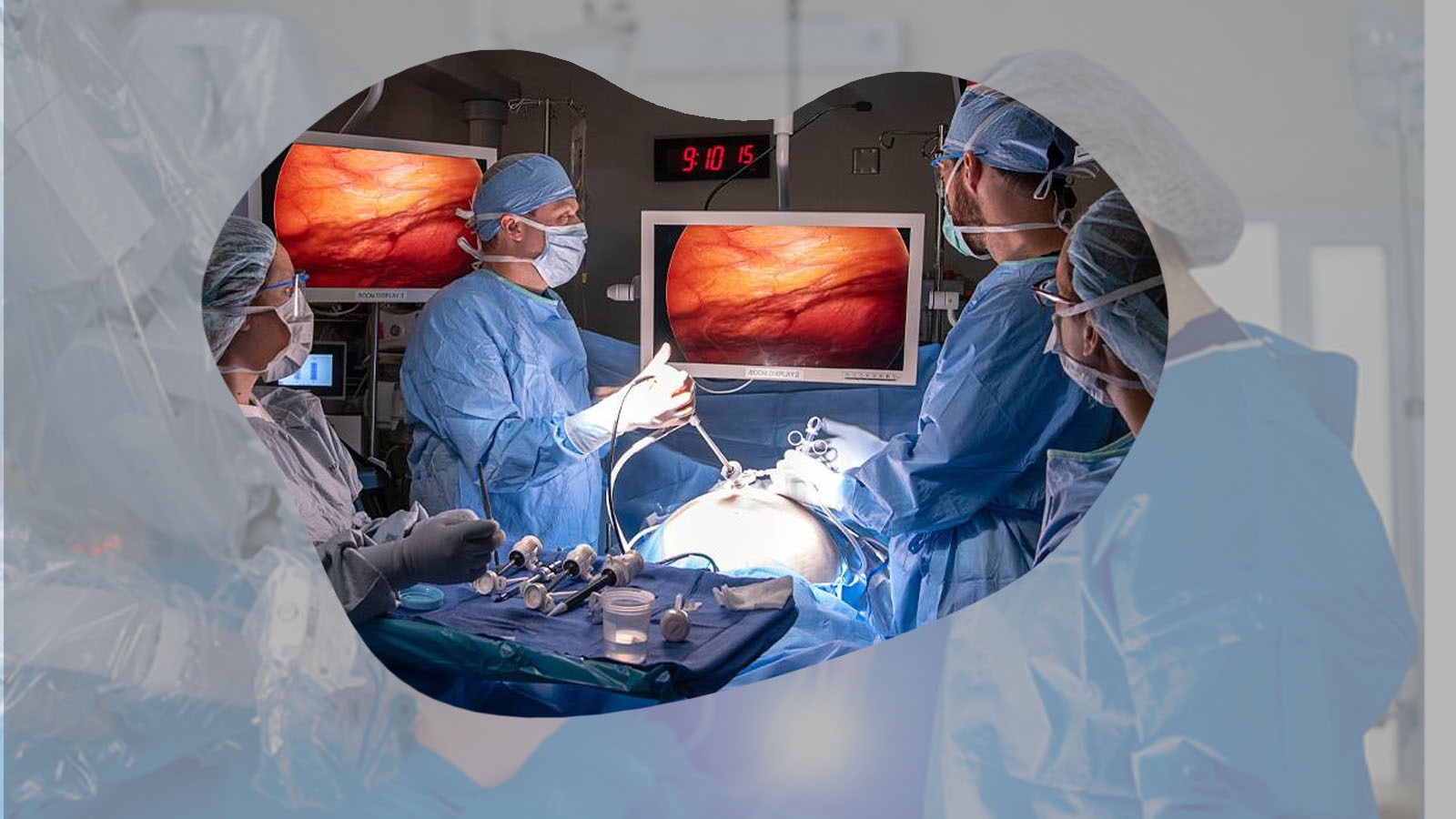
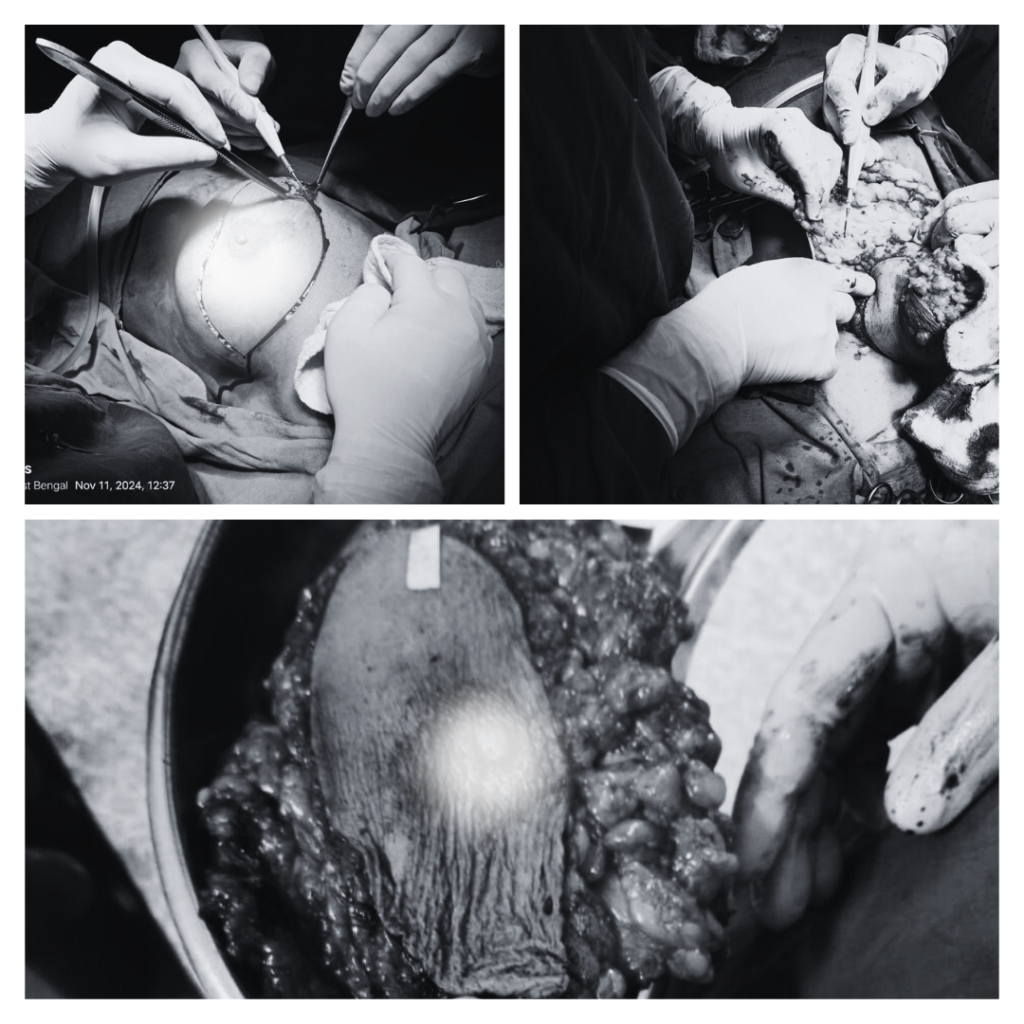
Oncoplastic surgery is usually performed during the same procedure as tumor removal. The process typically involves:
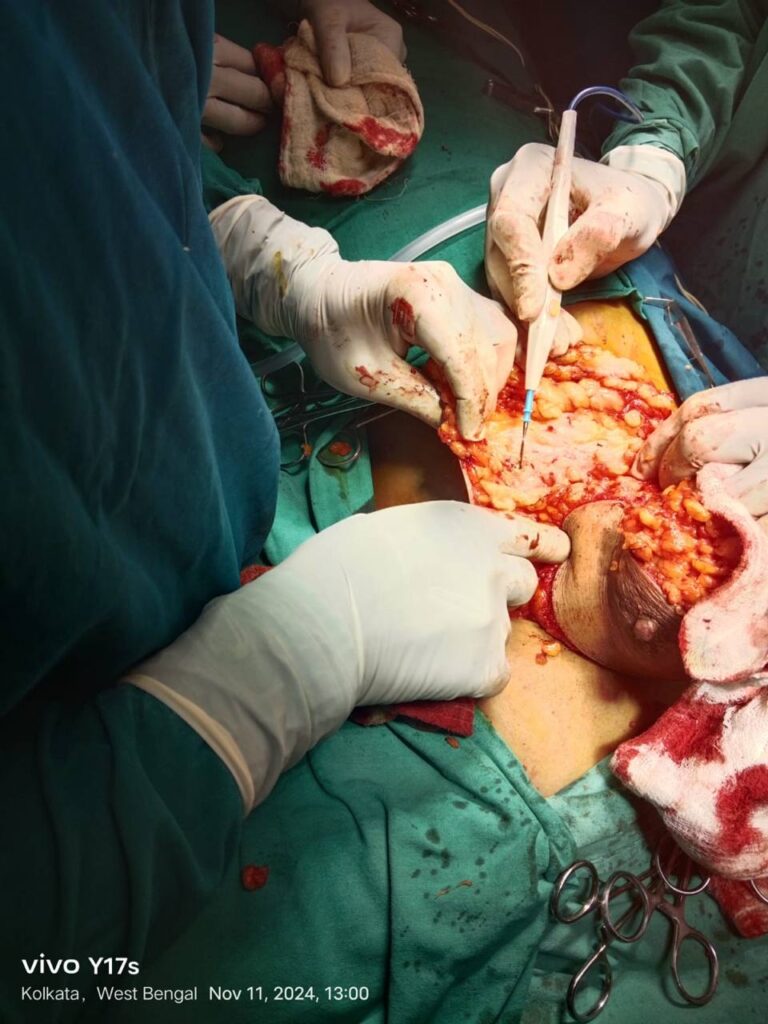
1. Tumor Removal (Wide Local Excision)
The surgeon removes the cancerous tumor along with a margin of healthy tissue to ensure complete excision.
2. Immediate Reconstruction
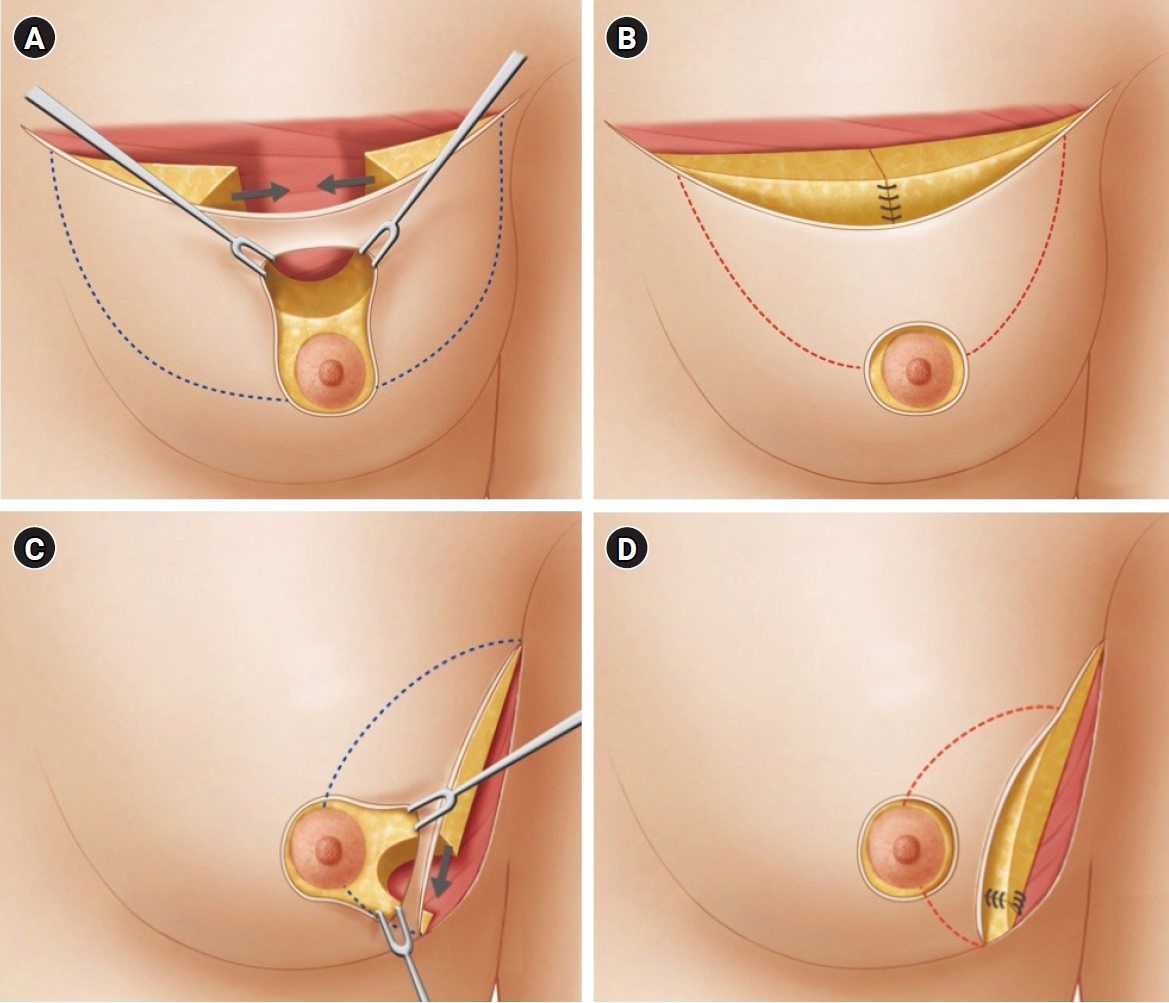
Once the tumor is removed, the breast is reshaped using plastic surgery techniques. This may include:
- Tissue rearrangement within the breast
- Reduction or lifting techniques
- Use of flaps or implants (in some cases)
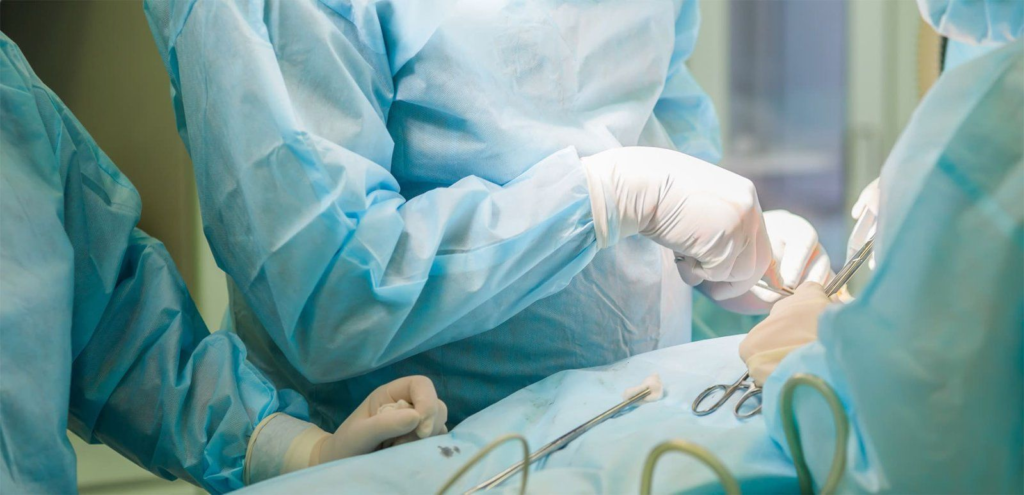
3. Symmetry Correction (If Needed)
To achieve balance, the surgeon may perform a procedure on the opposite breast as well.
- Breast reduction
- Breast lift (mastopexy)
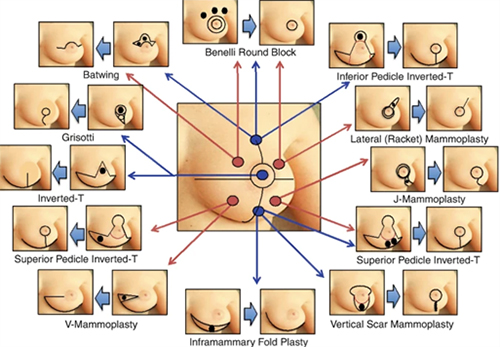
Types of Oncoplastic Techniques
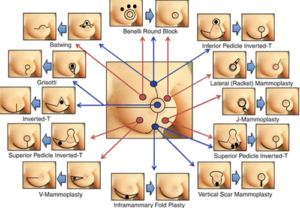
1. Volume Displacement Techniques
These involve reshaping the remaining breast tissue after tumor removal.
- Suitable for moderate to large breasts
- Maintains natural tissue
- Often combined with breast reduction or lift
2. Volume Replacement Techniques
Used when a larger portion of breast tissue is removed.
- Tissue is taken from another part of the body (like the back or chest wall)
- Helps restore breast volume and contour
3. Level 1 and Level 2 Oncoplastic Surgery
- Level 1: Minor reshaping for small tumors
- Level 2: More advanced reconstruction for larger tissue removal
Benefits of Oncoplastic Breast Surgery
1. Effective Cancer Treatment
The primary goal remains complete cancer removal, with:
- Clear surgical margins
- Reduced risk of recurrence
2. Superior Cosmetic Outcomes
One of the biggest advantages is the aesthetic result.
- Natural breast shape is preserved
- Minimal deformity after surgery
- Better symmetry between breasts
3. Reduced Need for Future Surgeries
Since reconstruction is done at the same time:
- Fewer additional procedures are required
- Less emotional and physical burden
4. Improved Psychological Well-Being
Body image plays a crucial role in recovery.
- Boosts confidence and self-esteem
- Helps patients cope better emotionally
- Enhances overall quality of life
5. Better Scar Placement
Incisions are strategically planned:
- Hidden in natural folds
- Less visible over time
6. Allows Larger Tumor Removal with Breast Conservation
Oncoplastic techniques make it possible to:
- Remove larger tumors
- Still preserve the breast
Who Is a Good Candidate?
Oncoplastic breast surgery may be suitable for:
- Patients with early to moderately advanced breast cancer
- Tumors that require significant tissue removal
- Individuals concerned about cosmetic outcomes
Factors considered include:
- Breast size and shape
- Tumor size and location
- Overall health
A multidisciplinary team, including oncologists and plastic surgeons, usually evaluates each case.
Are There Any Risks or Limitations?
Like any surgery, oncoplastic procedures come with certain considerations:
- Longer surgery duration compared to standard procedures
- Requires specialized surgical expertise
- Not suitable for all advanced-stage cancers
However, when performed by experienced surgeons, the outcomes are highly rewarding.
Recovery and Aftercare
Recovery from oncoplastic breast surgery is generally smooth:
- Mild to moderate discomfort initially
- Return to normal activities within a few weeks
- Follow-up treatments like radiation may still be required
Patients are advised to:
- Follow post-operative care instructions
- Attend regular check-ups
- Maintain a healthy lifestyle
The Future of Breast Cancer Surgery
Oncoplastic breast surgery represents the future of breast cancer care—where healing goes beyond survival to include emotional and aesthetic recovery.
With advancements in surgical techniques and increased awareness, more patients today have access to treatments that respect both their health and identity.
Conclusion
Oncoplastic breast surgery is a powerful blend of science and artistry. By combining precise cancer removal with advanced reconstructive techniques, it offers patients the best of both worlds—effective treatment and enhanced appearance.
For many, it is not just about removing cancer—it is about restoring confidence, dignity, and a sense of wholeness.
FAQs
1. Is oncoplastic breast surgery safe?
Yes, it is a safe and well-established procedure when performed by trained specialists.
2. Will I still need radiation therapy?
In most breast-conserving cases, radiation therapy is recommended after surgery.
3. Does it increase surgery time?
Yes, slightly longer than standard procedures, but it reduces the need for future surgeries.
4. Will both breasts be operated on?
In some cases, the opposite breast is adjusted for symmetry.
5. Is it covered by insurance?
Many insurance plans cover oncoplastic procedures as part of breast cancer treatment, but coverage varies.