Breast cancer is not just a physical battle—it’s an emotional and psychological journey that affects how a person sees themselves. For many, the completion of cancer treatment is not the end of the journey but the beginning of rebuilding confidence and reclaiming identity. This is where breast reconstruction after cancer plays a crucial role.
If you or someone close to you is exploring reconstruction options, this guide will walk you through everything you need to know—from types of procedures and timing to recovery and emotional impact. Let’s break it down in a way that’s honest, practical, and easy to understand.
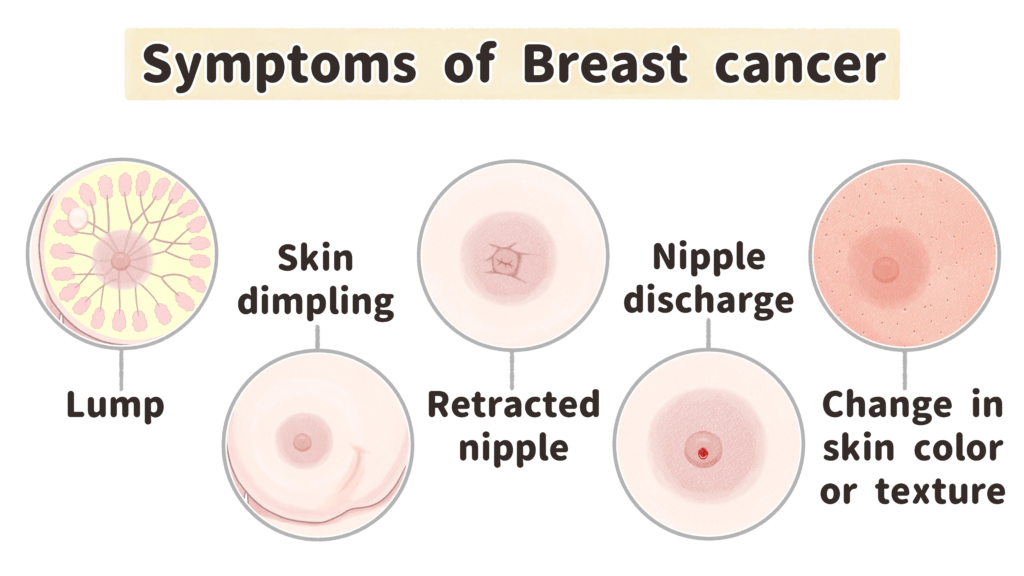
What Is Breast Reconstruction?
Breast reconstruction is a surgical procedure that restores the shape, appearance, and size of a breast after a mastectomy (breast removal) or lumpectomy.
The goal isn’t just cosmetic—it’s about helping individuals feel whole again. Reconstruction can be done using implants or tissue from your own body, depending on your preferences and medical condition.
Why Consider Breast Reconstruction After Cancer?
Choosing reconstruction is deeply personal. Some women opt for it, while others don’t—and both choices are completely valid.
Here’s why many people consider it:
- Restores body image and confidence
- Helps clothing fit more naturally
- Reduces the constant reminder of cancer
- Supports emotional healing and closure
It’s not about vanity—it’s about feeling like yourself again.
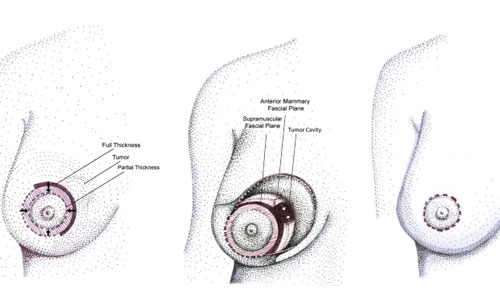
When Can Breast Reconstruction Be Done?
Timing is one of the first decisions you’ll face. There are two main options:
1. Immediate Reconstruction
Done at the same time as the mastectomy.
Pros:
- Fewer surgeries overall
- Better cosmetic outcomes
- Emotional benefit of waking up with a breast shape intact
Cons:
- Longer initial surgery
- May be affected by radiation therapy
2. Delayed Reconstruction
Done months or even years after cancer treatment.
Pros:
- Allows full focus on cancer treatment first
- Better if radiation is required
Cons:
- Requires additional surgery
- Emotional gap between removal and reconstruction
Your oncologist and surgeon will guide you based on your treatment plan.
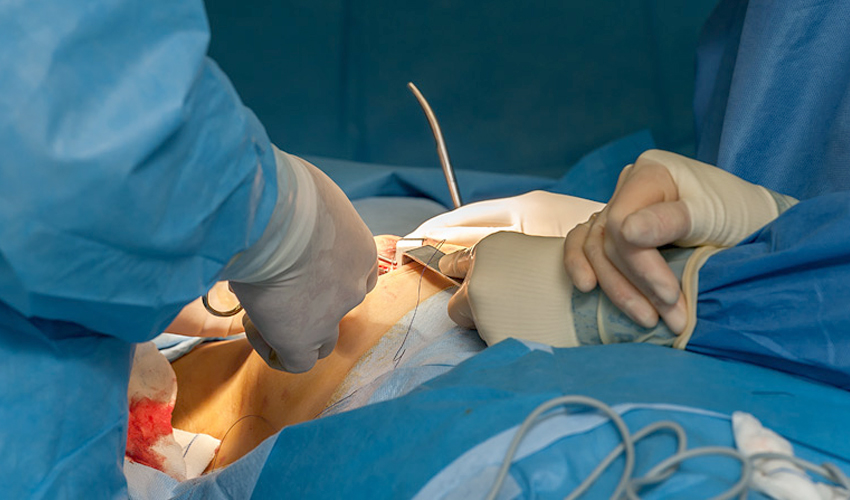
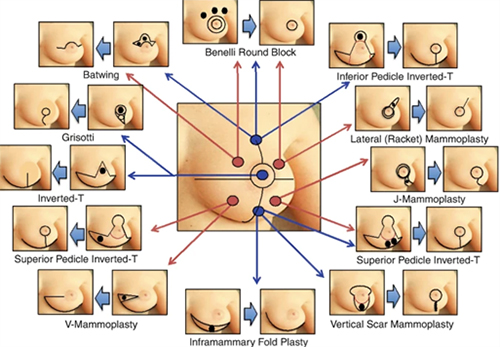
Types of Breast Reconstruction Procedures
There isn’t a one-size-fits-all solution. The right option depends on your body, health, and personal goals.
1. Implant-Based Reconstruction
This involves placing a silicone or saline implant to recreate the breast.
Key Points:
- Less invasive than tissue-based methods
- Shorter recovery time
- May require replacement in the future
This is often chosen for its simplicity and quicker results.
2. Autologous (Flap) Reconstruction
This uses tissue from another part of your body—like the abdomen, back, or thighs.
Common Types:
- DIEP Flap (from abdomen)
- TRAM Flap
- Latissimus Dorsi Flap
Advantages:
- More natural look and feel
- Long-lasting results
- No implants required
Considerations:
- Longer surgery and recovery
- Additional scars at donor site
3. Combination Reconstruction
Sometimes, surgeons use both implants and your own tissue to achieve the best results.
This approach balances natural appearance and structural support.
Understanding the Reconstruction Process Step-by-Step
Knowing what to expect makes the journey less overwhelming.
Step 1: Consultation
You’ll meet a plastic surgeon to discuss:
- Your medical history
- Cancer treatment plan
- Desired outcomes
Step 2: Surgical Planning
Customized plan based on:
- Body type
- Skin condition
- Whether radiation is needed
Step 3: Surgery
Can take several hours depending on the method used.
Step 4: Recovery
Initial recovery takes a few weeks, but full healing may take months.
Step 5: Final Touches
Includes nipple reconstruction or tattooing for a more natural appearance.
Recovery After Breast Reconstruction
Recovery varies depending on the procedure.
General Recovery Timeline:
- Week 1–2: Rest and limited movement
- Week 3–6: Gradual return to normal activities
- 3–6 months: Full healing and final results
Common Side Effects:
- Swelling and bruising
- Temporary pain or discomfort
- Fatigue
Following your doctor’s instructions is key to a smooth recovery.
Risks and Complications You Should Know
Like any surgery, breast reconstruction comes with risks.
Possible Complications Include:
- Infection
- Implant rupture or leakage
- Flap failure (in tissue reconstruction)
- Scarring
- Changes in sensation
The good news? With experienced surgeons and proper care, complications are relatively manageable.
Breast Reconstruction and Radiation Therapy
Radiation therapy can impact reconstruction results.
- It may affect skin elasticity
- Increase risk of complications
- Influence the choice of reconstruction method
In many cases, doctors recommend delayed reconstruction if radiation is planned.
Emotional and Psychological Impact
Let’s be honest—this isn’t just about surgery.
Breast reconstruction can significantly improve:
- Self-esteem
- Body confidence
- Emotional recovery after cancer
However, it’s also normal to feel anxious or uncertain. Support groups, therapy, and open conversations with loved ones can make a huge difference.
Choosing the Right Surgeon
This decision matters more than anything else.
Look for:
- Experience in oncoplastic surgery
- Proven track record
- Transparent communication
- Before-and-after case studies
Don’t hesitate to ask questions—this is your body and your journey.
Lifestyle Tips for Better Recovery
Small changes can make a big difference.
- Eat a nutrient-rich diet
- Avoid smoking and alcohol
- Follow physiotherapy if recommended
- Wear supportive garments as advised
Healing is not just surgical—it’s holistic.
Common Myths About Breast Reconstruction
Let’s clear up a few misconceptions:
Myth 1: Reconstruction is purely cosmetic
→ Reality: It’s part of recovery and rehabilitation
Myth 2: It delays cancer treatment
→ Reality: Often done alongside treatment safely
Myth 3: Results look unnatural
→ Reality: Modern techniques provide highly natural outcomes
Is Breast Reconstruction Right for You?
There’s no “right” or “wrong” choice here.
Ask yourself:
- Do I want to restore my breast shape?
- Am I ready for another surgery?
- What are my expectations?
Take your time. Talk to doctors. Speak to survivors. Make a decision that feels right for you.
Conclusion
Breast reconstruction after cancer is more than a medical procedure—it’s a deeply personal step toward healing, confidence, and reclaiming identity. Whether you choose implants, natural tissue reconstruction, or decide not to undergo reconstruction at all, what matters most is that the decision aligns with your comfort and well-being.