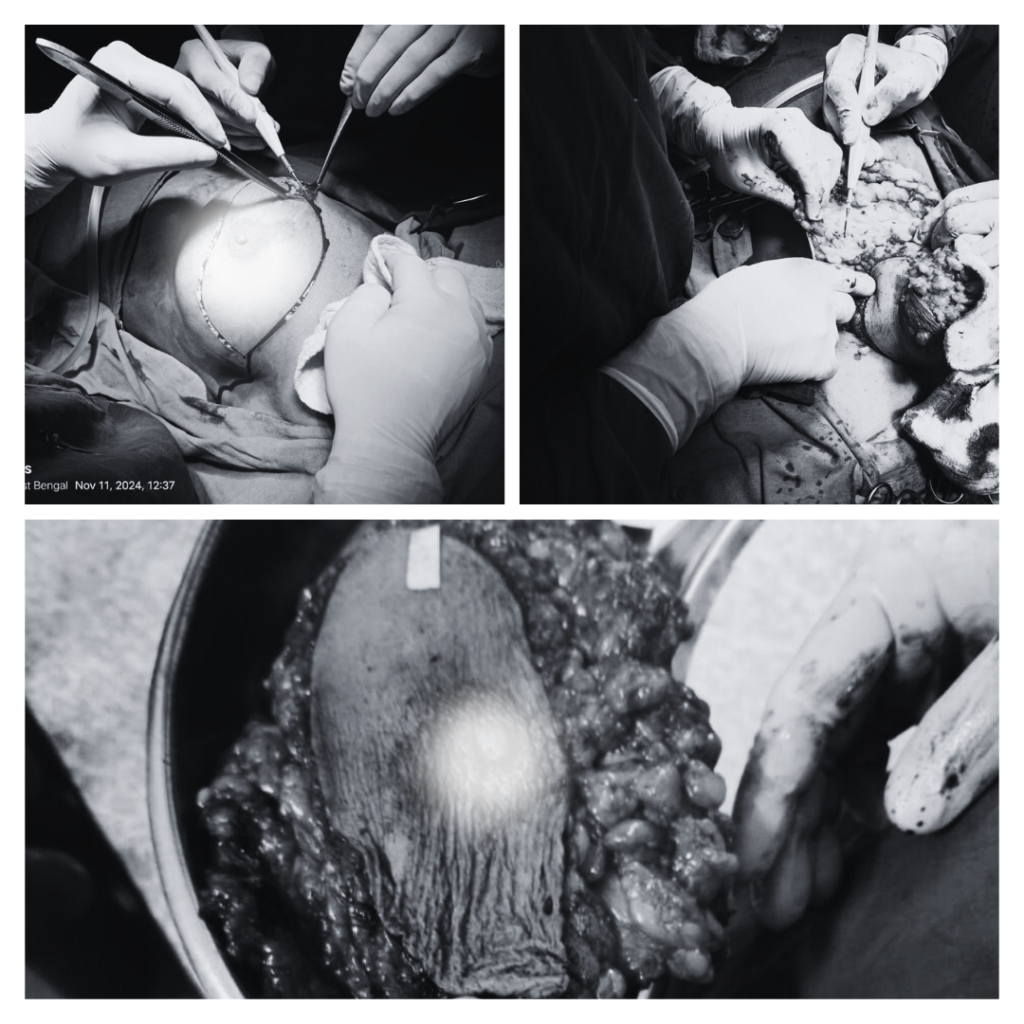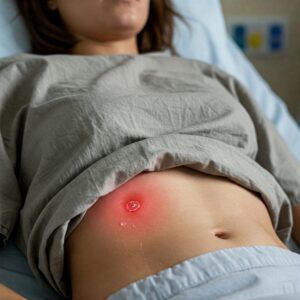
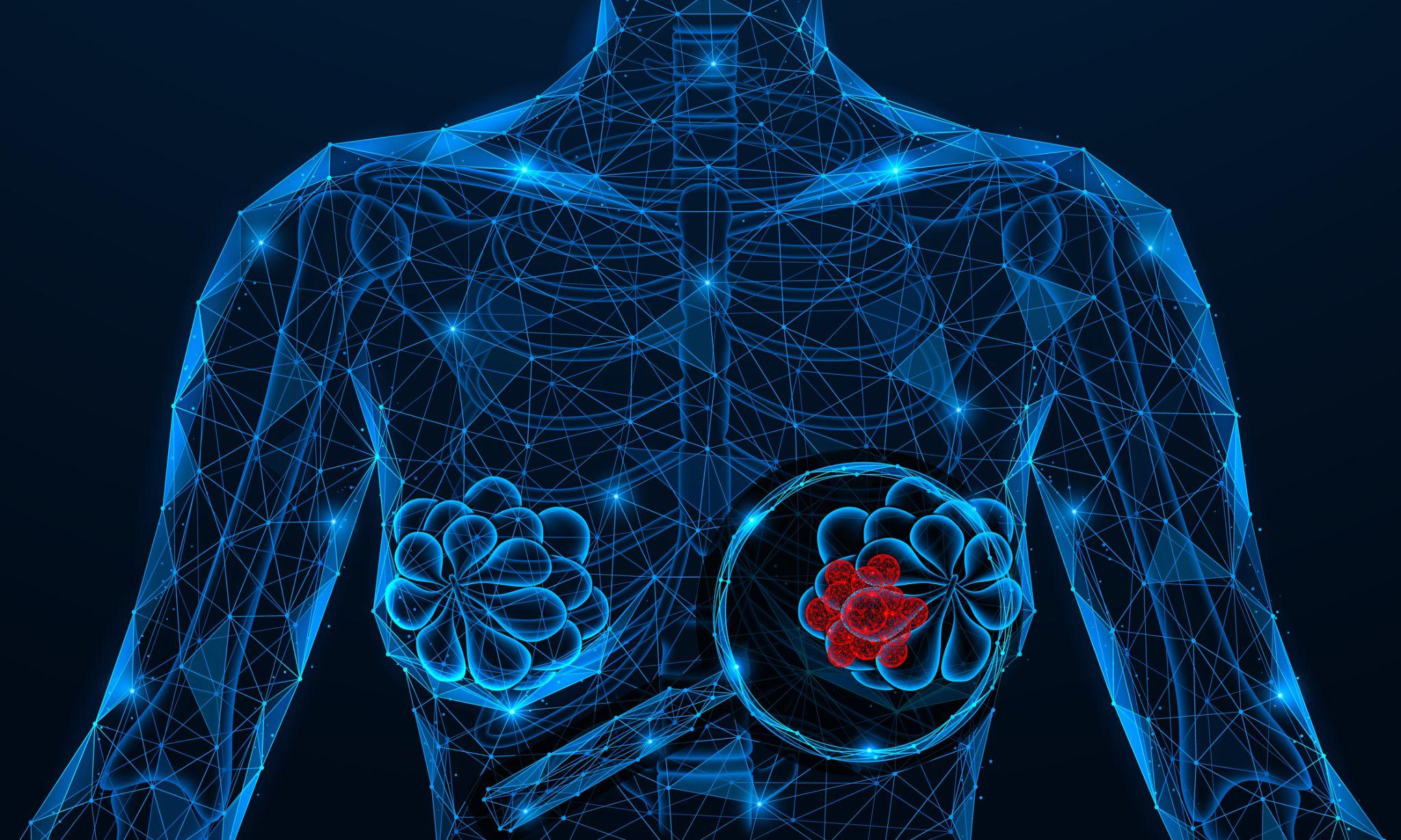
What Is Breast Cancer and Why Early Detection Matters?
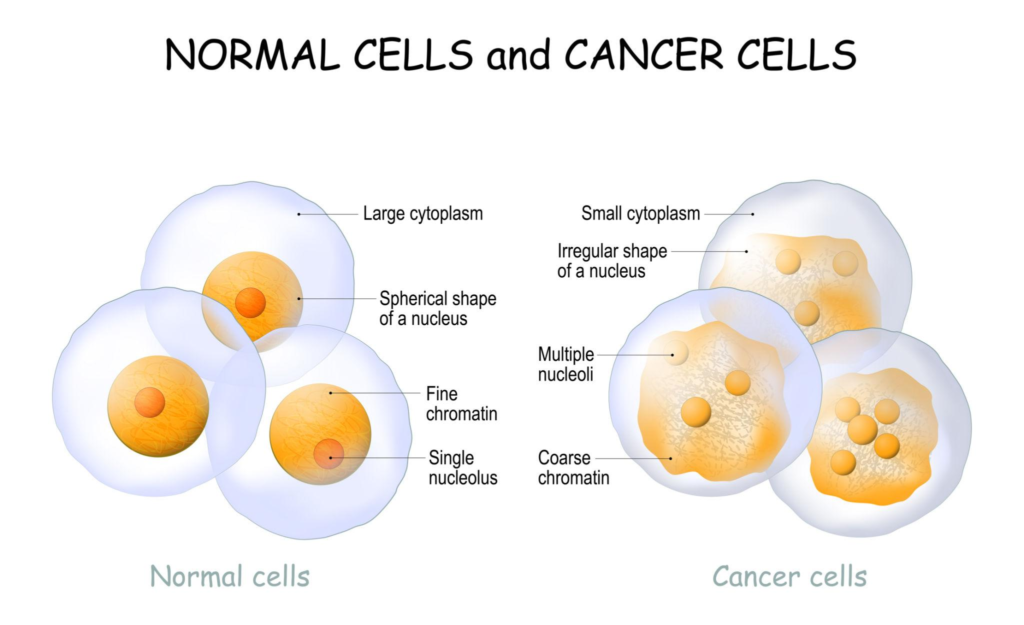
Breast cancer begins when cells in the breast grow abnormally.These cells divide faster than normal and can form a lump or mass. Not all lumps are cancer. But ignoring changes delays treatment.
Early detection improves survival rates significantly. In many cases, early-stage breast cancer is treatable with less aggressive methods.
Women often miss early symptoms because they are painless. That makes awareness critical.
How Breast Cancer Develops?
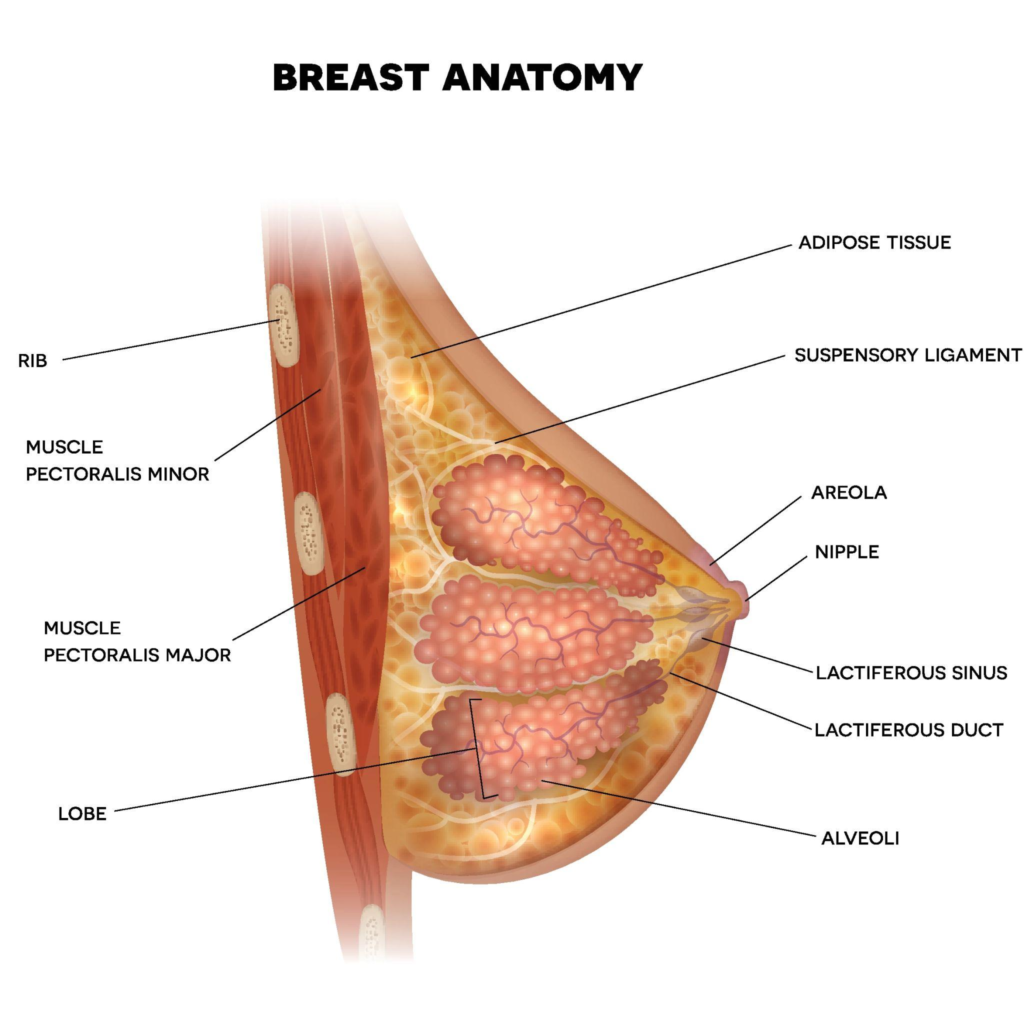
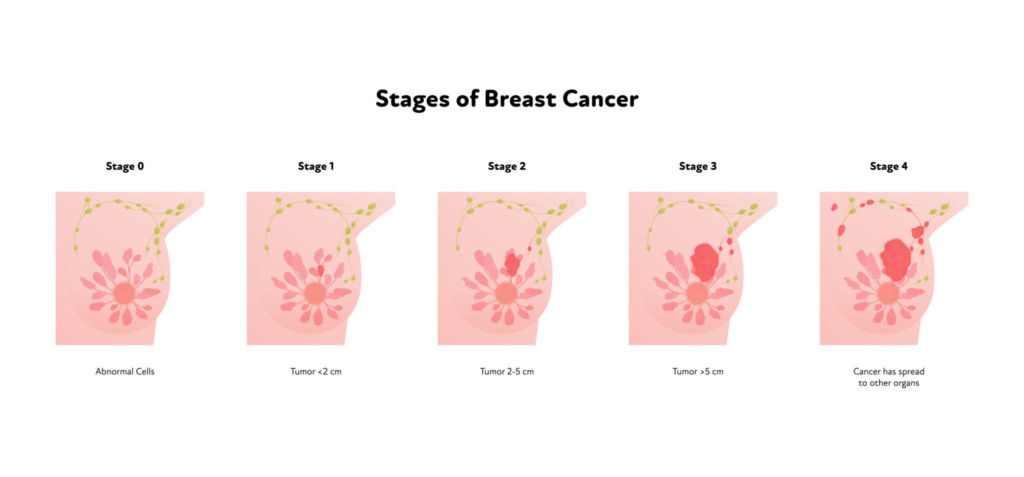
Breast cancer usually starts in milk ducts or lobules. Cells mutate and multiply uncontrollably. Over time, they form tumors.
These tumors may spread if untreated. Some cancers grow slowly. Others progress faster.
Importance of Early Diagnosis
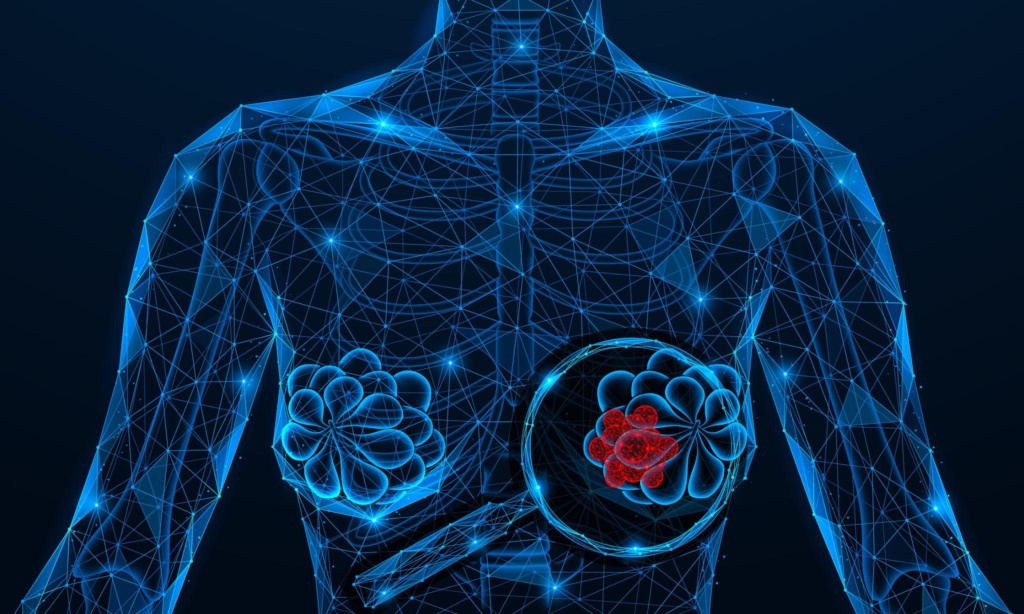
Early diagnosis reduces treatment complexity.
It also increases survival chances.
Screening tools like mammograms detect cancer before symptoms appear.
Self-awareness adds another layer of protection.
Most Common Early Signs of Breast Cancer
Many early signs are subtle.
They may not cause pain.
Recognizing small changes matters.
Lump in the Breast or Underarm
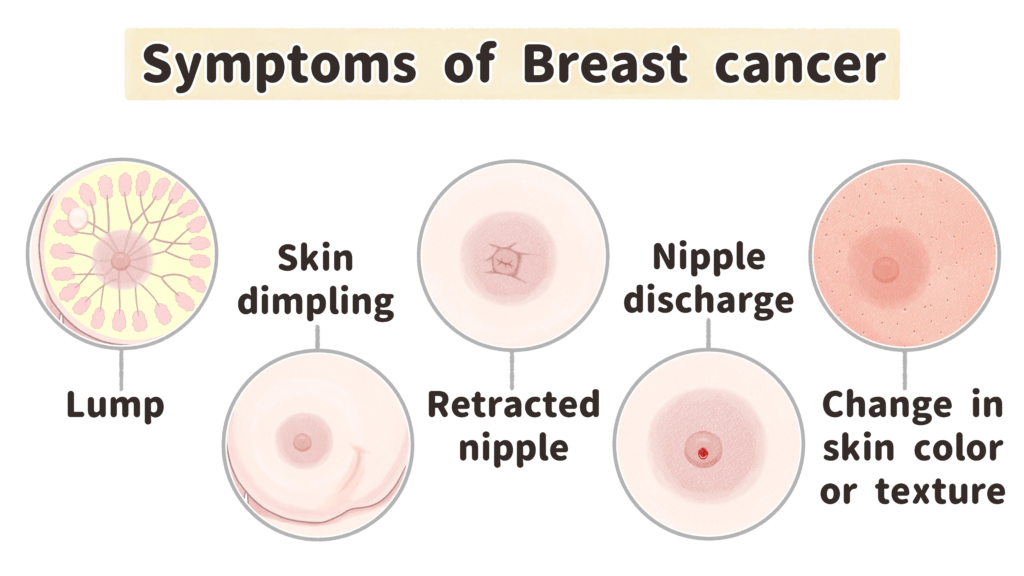
A lump is the most common sign.
It may feel hard, irregular, and painless.
Key points:
- Does not move easily
- Feels different from surrounding tissue
- Persists over time
Not all lumps are cancer.
But any new lump needs medical evaluation.
Changes in Breast Shape or Size
One breast may look different suddenly.
Swelling or shrinkage without reason is a concern.
Look for:
- Visible asymmetry
- Sudden enlargement
- Unexplained changes
Skin Changes on the Breast
Skin may appear different.
Watch for:
- Dimpling (orange peel texture)
- Redness
- Thickening
These changes may signal underlying issues.
Less Common but Important Warning Signs
Some symptoms are less obvious.
But they are equally important.
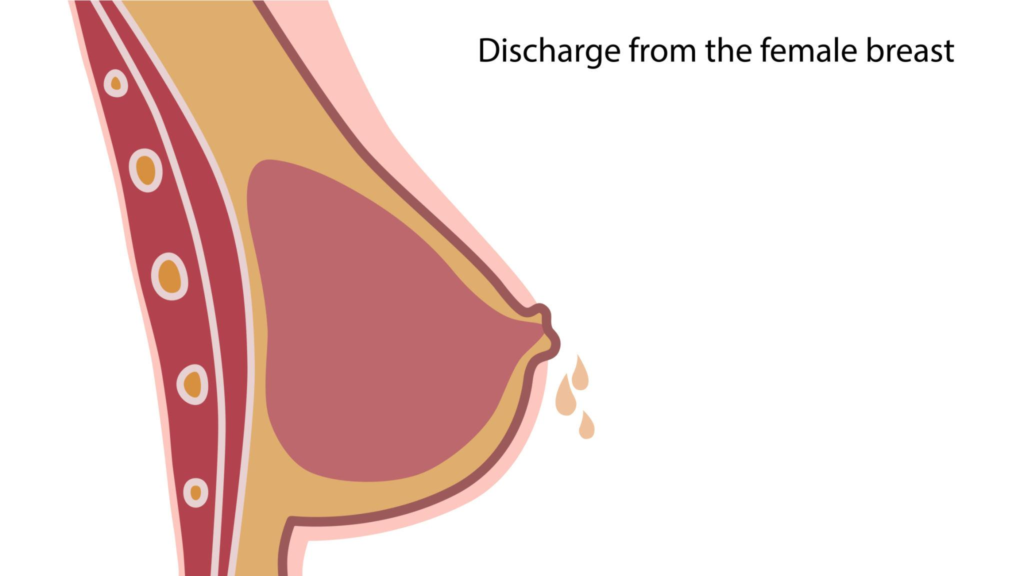
Nipple Discharge or Retraction
Unusual discharge can be a warning sign.
Especially if it is bloody or clear.
Also note:
- Nipple turning inward
- Sudden shape changes
These signs should not be ignored.
Persistent Breast Pain
Breast cancer is often painless.
But constant pain in one area is worth checking.
Pain that:
- Does not follow menstrual cycle
- Stays in one spot
- Worsens over time
Needs attention.
How to Check for Early Signs at Home
Self-checks help detect early changes.
They do not replace medical tests.
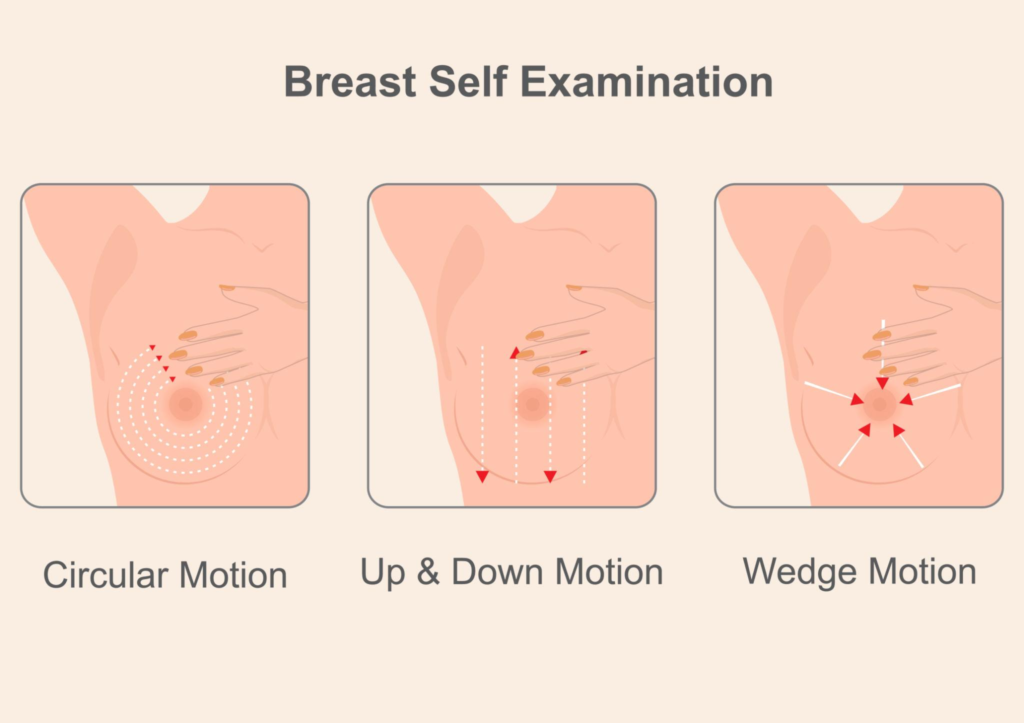
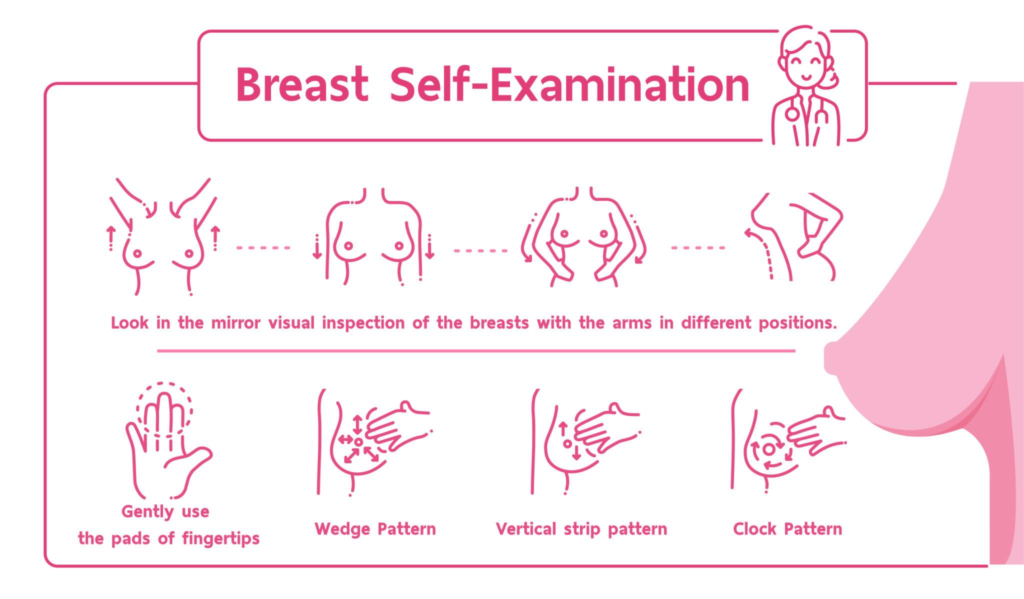
Self-Breast Examination Steps
Follow a simple routine:
- Stand in front of a mirror
- Look for visible changes
- Raise arms and observe shape
- Use fingers to feel for lumps
- Check entire breast and underarm
Use light, medium, and deep pressure.
When to Perform Self-Checks
Best time is:
- 5–7 days after your period
Post-menopause:
- Choose a fixed day monthly
Consistency helps notice changes early.
When to See a Doctor
Do not wait for pain.
Seek medical advice if you notice anything unusual.
Red Flags You Should Not Ignore
- New lump
- Skin dimpling
- Nipple discharge
- Persistent pain
- Sudden size change
Even one symptom is enough to consult a doctor.
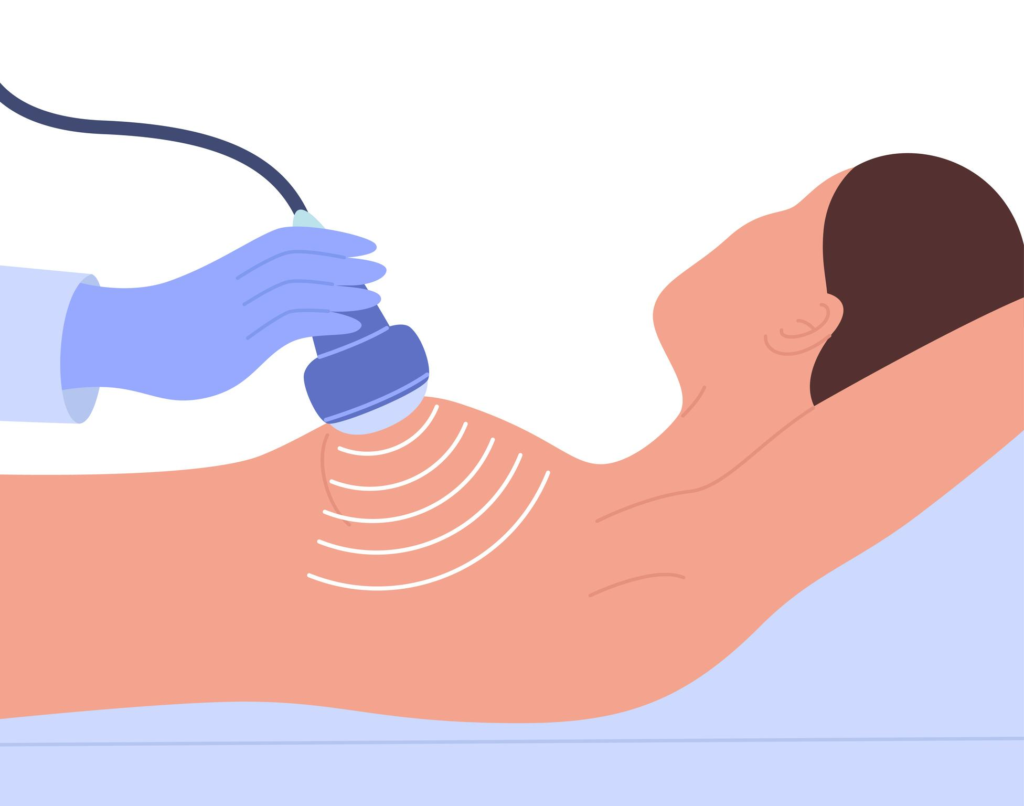
Screening Tests and Diagnosis
Doctors may recommend:
These tests confirm if a lump is cancerous.
Reducing Risk and Staying Aware
Risk cannot be eliminated completely.
But it can be reduced.
Lifestyle Factors
Helpful habits:
- Maintain healthy weight
- Exercise regularly
- Limit alcohol
- Eat balanced diet
These support overall health.
Regular Screening Importance
Screening catches cancer early.
Even before symptoms appear.
General guideline:
- Start mammograms after age 40 (or earlier if high risk)
Consult a doctor for personalized advice.
Internal & External Linking Suggestions
- Internal: Breast cancer treatment page, oncology services page
- External: WHO breast cancer guidelines, Indian Cancer Society
Final Takeaway
Early signs are often small.
Easy to ignore.
But noticing them early can save lives.
Stay aware.
Check regularly.
Act quickly.
Consult Dr. Pollob Saha – Expert in Laparoscopic and Oncological Surgeries
With years of expertise in minimally invasive surgeries, Dr. Pollob Saha has helped countless patients get accurate diagnoses and effective treatments for complex abdominal conditions.
Whether you’re seeking evaluation for suspected abdominal metastases or need advanced laparoscopic intervention, you’re in safe hands.
📞 Phone: (+91) 9830088321
🌐 Website: https://drpallabsahasurgeonkolkata.in/
📧 Email: drpallabsaha20@gmail.com