Understanding Anal Fistulas: An Overview
Anal fistulas are a painful and often persistent condition affecting the anal region. Though not life-threatening, they can significantly impair quality of life due to discomfort, drainage, and recurrent infections. Many patients feel embarrassed to seek help, but timely diagnosis and treatment can offer long-term relief. In this comprehensive guide, Dr. Pallab Saha, an experienced general and laparoscopic surgeon in Kolkata, shares everything you need to know about anal fistulas from symptoms to surgery.
What is an Anal Fistula?
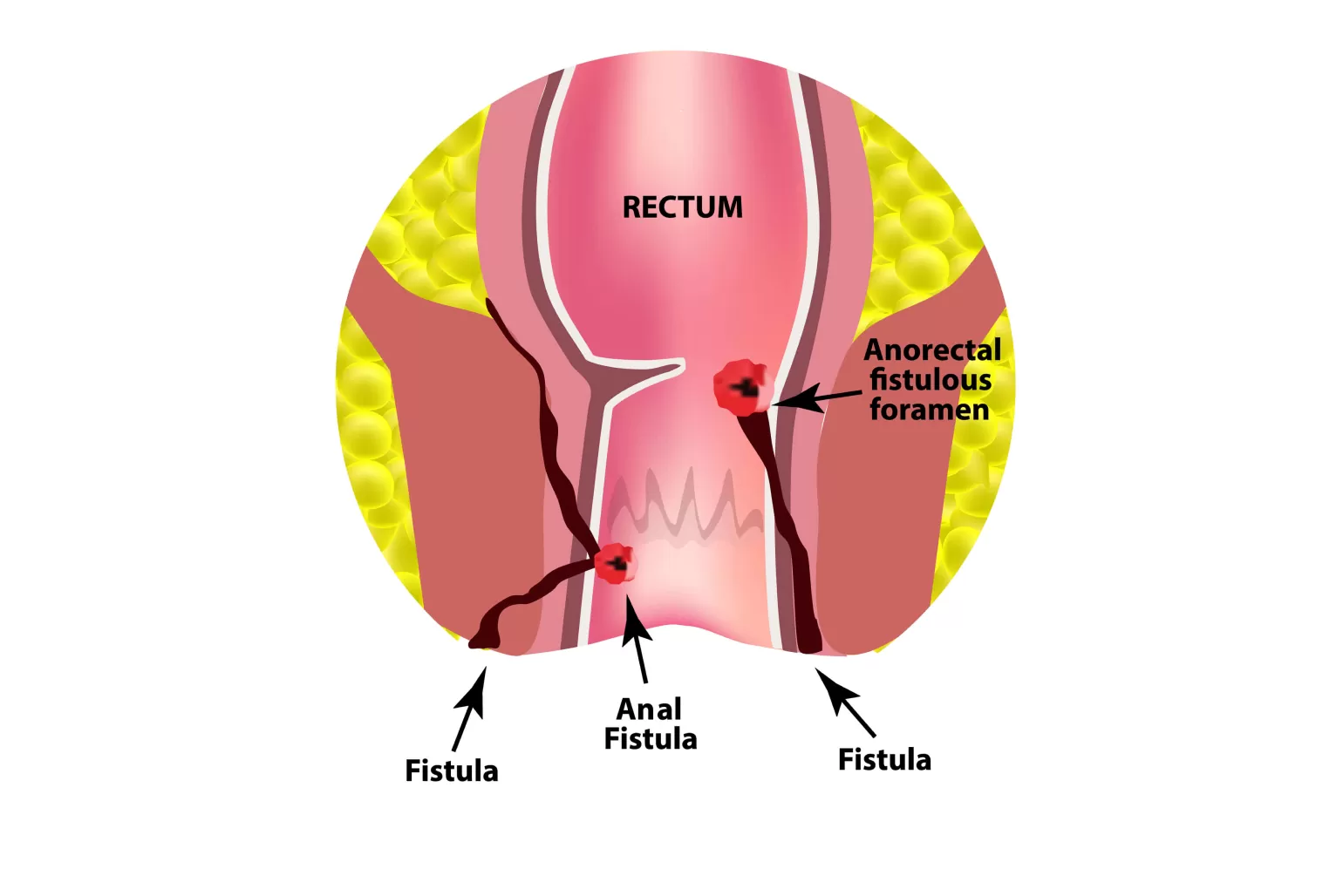
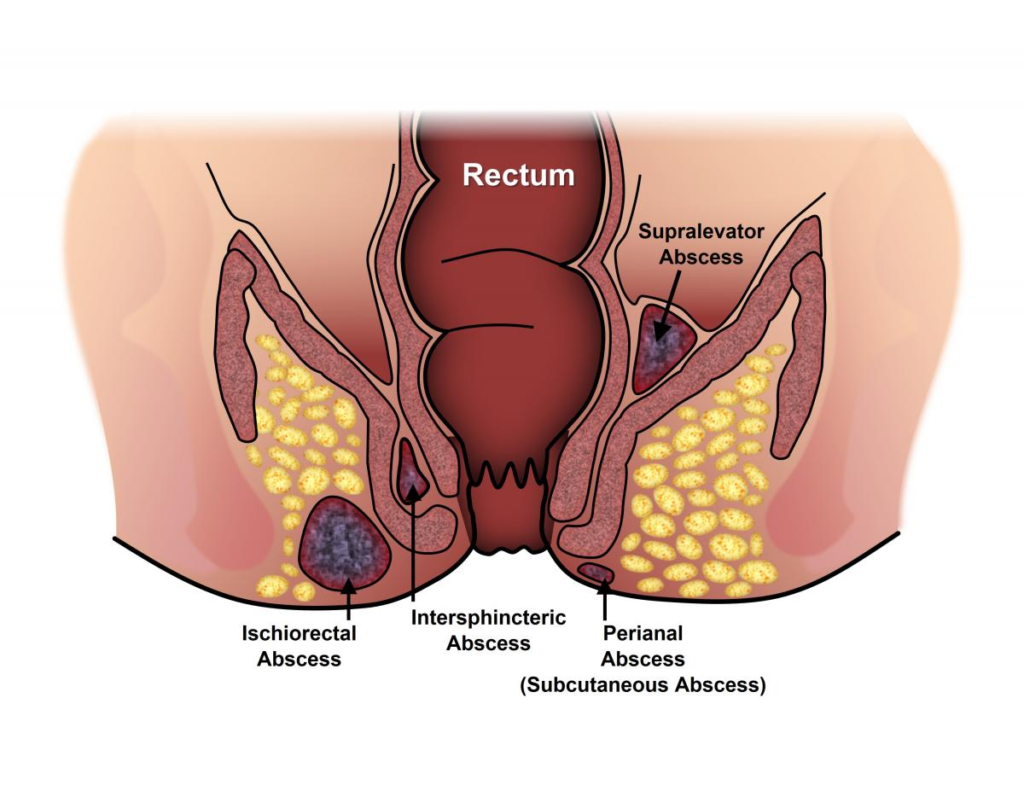
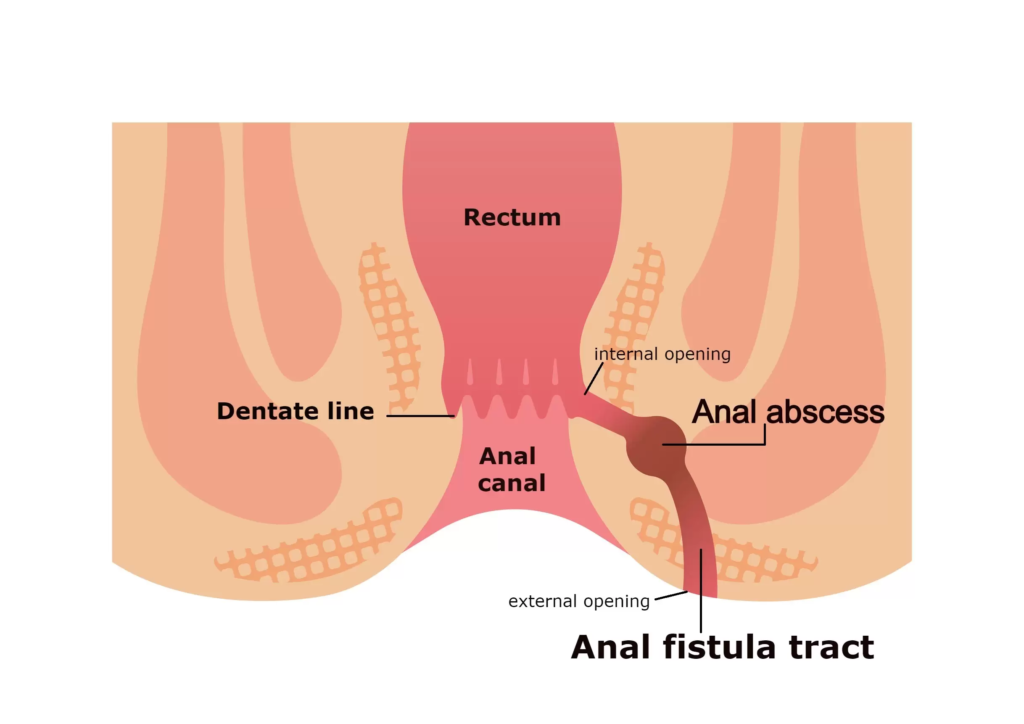
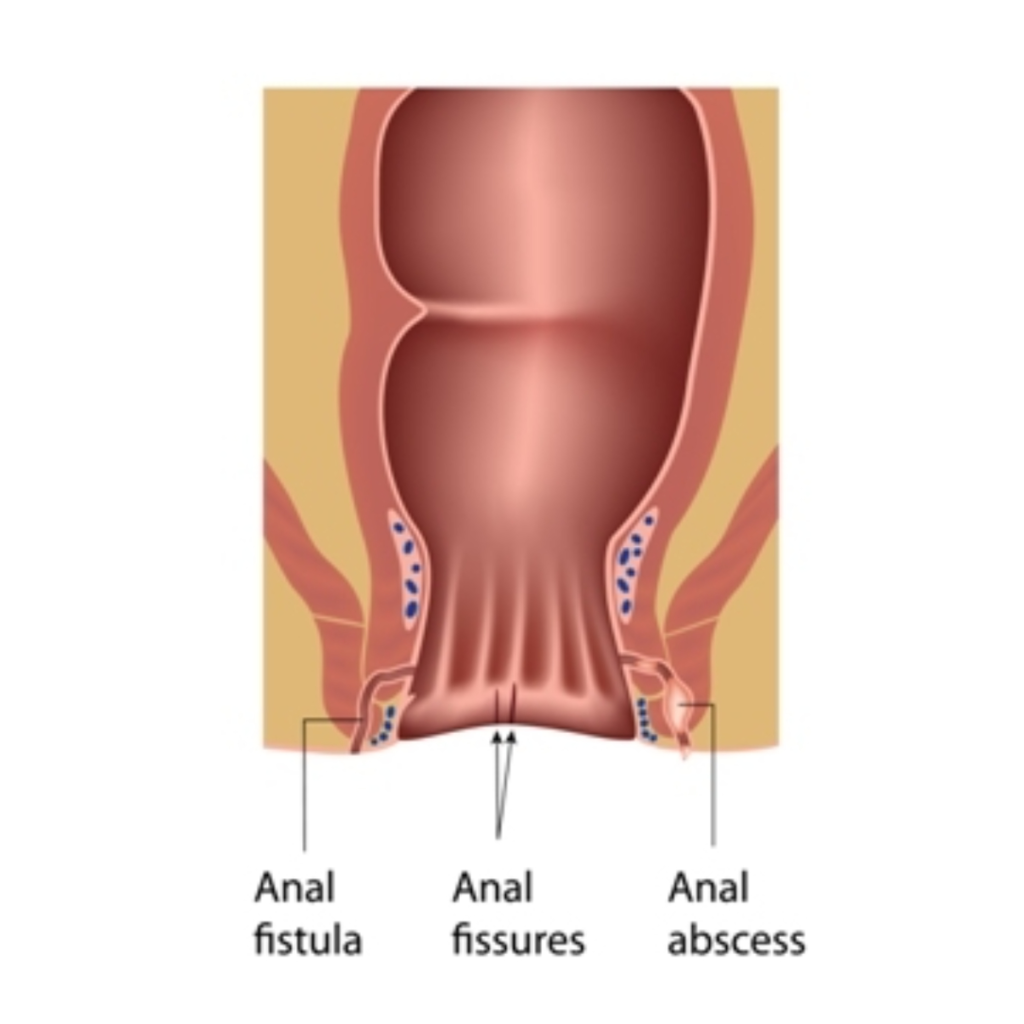
An anal fistula is a small tunnel that forms between the end of the bowel (the anal canal) and the skin near the anus. It usually results from an anal abscess, a collection of pus that hasn’t healed properly, leaving behind a tract. Once formed, this tract can become chronically infected and may discharge pus, blood, or stool.
Common Causes of Anal Fistulas
While the exact cause may vary, the most common reasons include:
- Untreated anal abscesses
- Crohn’s disease (an inflammatory bowel disease)
- Tuberculosis
- Sexually transmitted infections (STIs)
- Radiation therapy
- Post-surgical complications
- Trauma or injury to the anal region
Symptoms of Anal Fistulas
Recognizing the symptoms early can help in seeking prompt treatment. Common signs include:
🔹 Persistent Anal Pain
A throbbing, aching pain, especially while sitting or during bowel movements.
🔹 Discharge of Pus or Blood
Pus or bloody discharge near the anus, which may cause irritation or itching.
🔹 Swelling or Lump
A small, painful lump near the anus, which may be red or swollen.
🔹 Fever and Fatigue
In cases of active infection or abscess formation, fever, fatigue, and chills may occur.
🔹 Recurring Abscesses
Frequent development of abscesses or boils in the anal area.
When Should You See a Doctor?
If you experience symptoms like pain, discharge, or repeated infections in the anal area, it’s essential to consult a specialist. Left untreated, an anal fistula can worsen, causing complications such as sepsis, fecal incontinence, or spread of infection.
How are Anal Fistulas Diagnosed?
Diagnosis usually involves a physical examination and may include imaging tests to determine the exact location and severity.
🔬 1. Digital Rectal Examination
The surgeon manually examines the anal canal to detect external and internal openings.
🔬 2. Anoscopy
A small, lighted scope is inserted into the anus to get a closer view of the anal canal.
🔬 3. MRI or Endoanal Ultrasound
These advanced imaging methods help map complex or deep fistulas that may not be visible during physical examination.
🔬 4. Fistulography
A contrast dye is injected into the fistula to trace the tract on X-rays.
Treatment Options for Anal Fistulas
Most anal fistulas do not heal on their own and require medical or surgical intervention. The choice of treatment depends on the type, complexity, and location of the fistula.
Surgical Treatments for Anal Fistulas
🔧 1. Fistulotomy
- The most common and effective procedure.
- Involves cutting open the entire length of the fistula so it can heal as a flat scar.
- Suitable for simple fistulas not affecting the sphincter muscles.
🔧 2. Seton Placement
- A seton (surgical thread) is placed through the fistula to drain the infection.
- Often used for complex or high fistulas involving the sphincter.
🔧 3. Advancement Flap Surgery
- A flap of tissue is used to close the internal opening of the fistula.
- Preserves the anal sphincter and minimizes the risk of incontinence.
🔧 4. LIFT Procedure (Ligation of Intersphincteric Fistula Tract)
- Involves tying and cutting the fistula tract between sphincter muscles.
- High success rate with minimal risk to continence.
🔧 5. Fibrin Glue or Collagen Plug
- Less invasive techniques for low-risk patients.
- Involves sealing the fistula tract using biological substances.
- May have a higher recurrence rate.
Post-Surgical Care and Recovery
Recovery varies depending on the procedure. Here’s what to expect:
- Pain Management: Mild to moderate pain, manageable with prescribed painkillers.
- Wound Care: Keep the area clean and dry; follow your surgeon’s instructions for dressing changes.
- Diet: High-fiber diet to avoid constipation and straining.
- Follow-ups: Regular visits to monitor healing and prevent recurrence.
Can Anal Fistulas Come Back?
Yes, recurrence is possible, especially in complex or untreated cases. However, with proper diagnosis, surgery, and care, the recurrence rate can be significantly reduced. Choosing an experienced surgeon like Dr. Pallab Saha increases the likelihood of a successful outcome.
FAQs About Anal Fistulas
❓ Can an anal fistula heal without surgery?
In most cases, no. Surgery is usually required to fully treat an anal fistula.
❓ How long is the recovery after fistula surgery?
Recovery can take 2 to 6 weeks, depending on the type of surgery and the complexity of the fistula.
❓ Is fistula surgery painful?
Some discomfort is expected, but it is well-managed with medications and proper care.
❓ Can I prevent anal fistulas?
While not all fistulas are preventable, maintaining good hygiene, managing constipation, and treating anal abscesses early can reduce the risk.
Why Choose Dr. Pallab Saha for Anal Fistula Treatment in Kolkata?
With extensive experience in diagnosing and treating anal fistulas, Dr. Pallab Saha offers personalized surgical solutions using both traditional and minimally invasive techniques. His patient-first approach, focus on recovery, and dedication to post-operative care make him one of Kolkata’s most trusted general and laparoscopic surgeons.
Contact Dr. Pallab Saha Today
📞 Phone: +91 9830088321
📧 Email: drpallabsaha20@gmail.com
🌐 Website: https://drpallabsahasurgeonkolkata.in/
Whether you’re experiencing symptoms or seeking a second opinion, book your consultation with Dr. Saha for expert, confidential, and compassionate care.