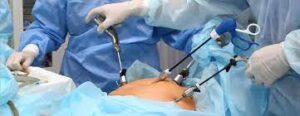
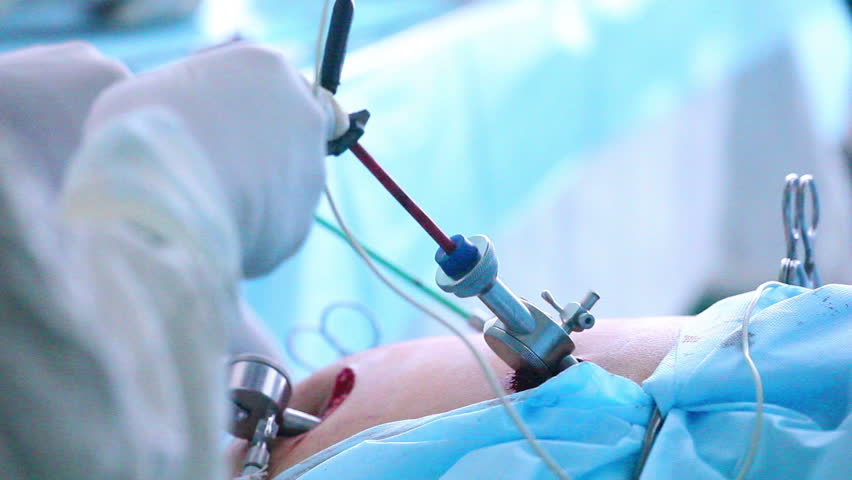
Understanding Laparoscopic Surgery: A Brief Overview
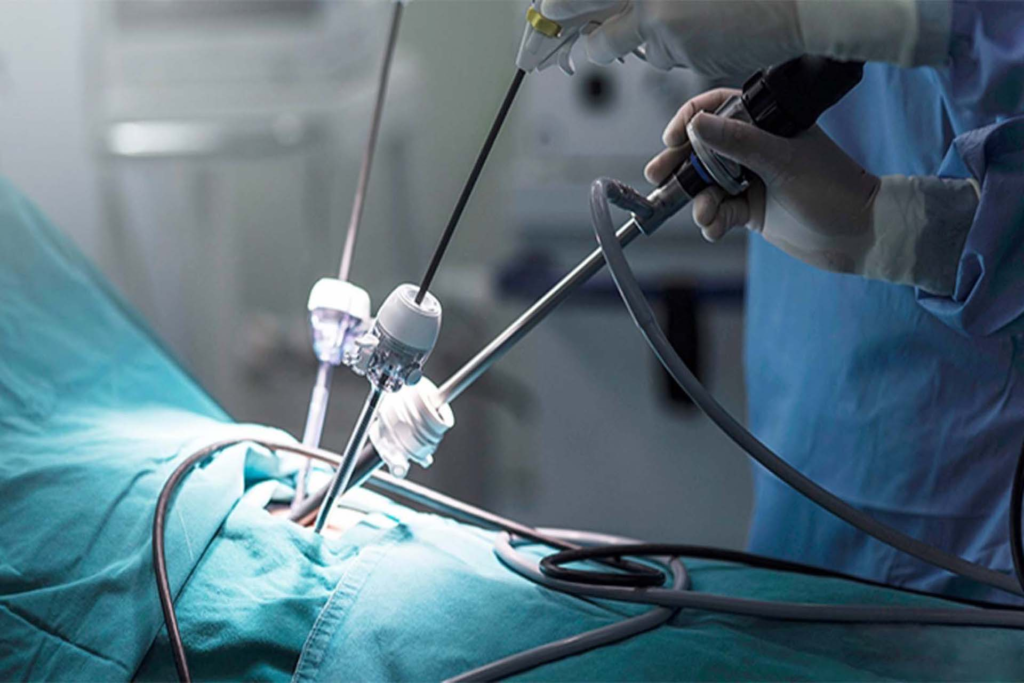
Laparoscopic surgery, also known as minimally invasive surgery, has revolutionized the way many medical procedures are performed today. However, despite its widespread use and proven benefits, several myths and misconceptions still surround it. From doubts about its safety to concerns about its effectiveness, these myths can create unnecessary fear and confusion among patients.
In this blog, we’ll debunk the most common myths about laparoscopic surgery, provide facts backed by medical science, and help you make informed healthcare decisions with expert guidance from Dr. Pallab Saha, a leading general and laparoscopic surgeon in Kolkata.
Myth 1: Laparoscopic Surgery Is Riskier Than Open Surgery
✅ Fact: Laparoscopic surgery is often safer than open surgery.
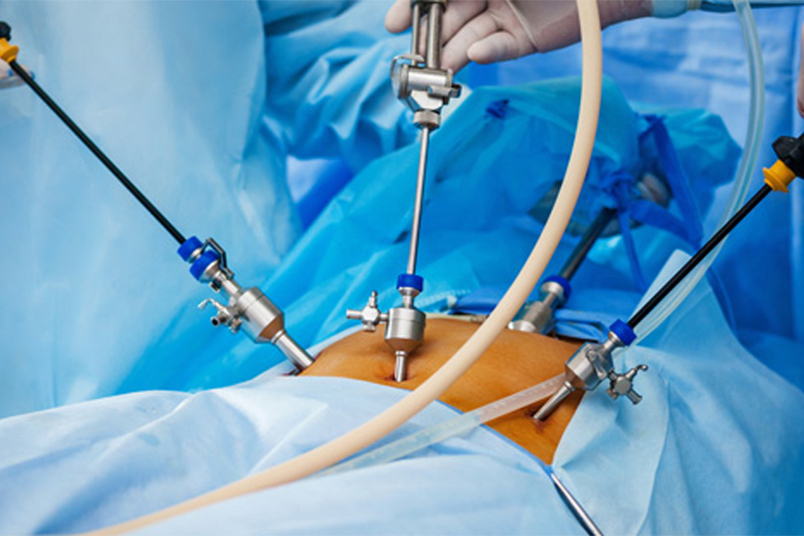
Many people assume that because laparoscopic surgery involves the use of a camera and smaller instruments, it’s more complicated and therefore riskier. In reality, laparoscopic procedures involve smaller incisions, less blood loss, and reduced risk of infection, making them safer for most patients.
Laparoscopic surgery is also associated with faster recovery, shorter hospital stays, and less post-operative pain compared to traditional open surgery.
Myth 2: It’s Only for Simple Surgeries
✅ Fact: Laparoscopic surgery can be used for complex procedures as well.
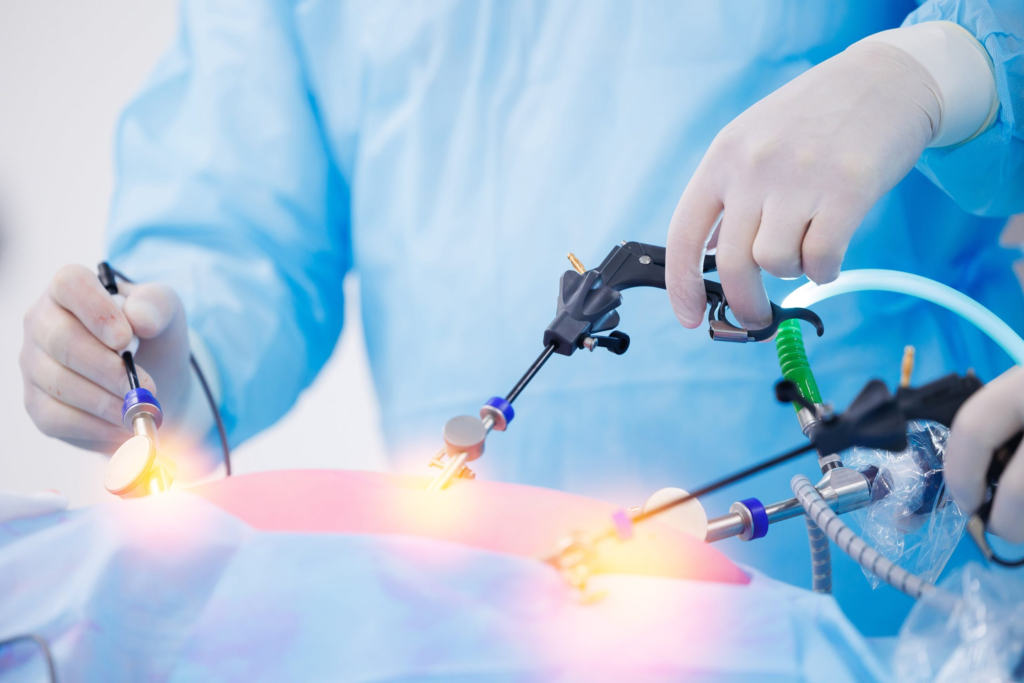
While initially used for simple procedures like gallbladder removal, advancements in technology and surgical techniques now allow laparoscopic methods to be used for a wide range of complex operations. These include:
- Hernia repair
- Appendectomy
- Bariatric surgery
- Colorectal surgery
- Gynaecological procedures
- Cancer staging and biopsies
Expert surgeons like Dr. Pallab Saha perform these procedures successfully using laparoscopic techniques.
Myth 3: Recovery Takes Just a Few Hours
✅ Fact: While recovery is faster, it still takes a few days to weeks.
Yes, laparoscopic surgery offers quicker recovery than open surgery, but the healing process still depends on the patient’s overall health, the complexity of the procedure, and post-operative care. Patients can usually return to normal activities within a week or two, but complete recovery may take a few weeks.
Myth 4: There’s No Pain After Laparoscopic Surgery
✅ Fact: Some discomfort is normal, but it’s significantly less than open surgery.
Due to smaller incisions, the post-operative pain in laparoscopic surgery is much milder compared to traditional surgery. However, you may still experience:
- Mild abdominal soreness
- Shoulder pain (due to gas used during surgery)
- Temporary bloating or discomfort
Pain is usually manageable with over-the-counter or prescribed medication.
Myth 5: It Leaves No Scars at All
✅ Fact: Laparoscopic surgery leaves minimal scarring, not no scarring.
While laparoscopic procedures involve very small incisions (usually 0.5 to 1 cm), they still leave tiny scars. These are far less noticeable than the long scars of open surgery and usually fade over time.
Myth 6: Laparoscopic Surgery Is More Expensive
✅ Fact: While the upfront cost may be higher, overall expenses are lower.
The surgical equipment used in laparoscopy may be more advanced, but the reduced hospital stay, faster return to work, and lower complication rates make it more economical in the long run. Moreover, insurance often covers laparoscopic procedures just like traditional surgeries.
Myth 7: All Surgeons Can Perform Laparoscopic Surgery
✅ Fact: Laparoscopic surgery requires specialized training and expertise.
Not every general surgeon is trained in laparoscopic techniques. It demands precision, experience, and familiarity with the latest tools. That’s why choosing a skilled and certified laparoscopic surgeon like Dr. Pallab Saha is crucial for safe and successful outcomes.
Myth 8: You Can’t Undergo Laparoscopy If You’ve Had Previous Surgeries
✅ Fact: Previous surgeries don’t always rule out laparoscopic options.
Scar tissue from previous surgeries (adhesions) can pose challenges, but experienced surgeons can often still perform laparoscopic procedures safely. A pre-operative evaluation will determine whether laparoscopy is suitable for you.
Benefits of Laparoscopic Surgery
To further clarify misconceptions, here’s a quick list of the key advantages:
- Smaller incisions and scars
- Lower risk of infection
- Shorter hospital stays
- Faster return to daily activities
- Less post-operative pain
- Better cosmetic results
FAQs
1. Is laparoscopic surgery safe for all age groups?
Yes, with proper evaluation, laparoscopic procedures can be safely performed on both young and elderly patients.
2. Will I need general anesthesia?
Yes, most laparoscopic surgeries are done under general anesthesia for patient comfort and precision.
3. Can gallbladder or hernia surgeries be done laparoscopically?
Absolutely. These are among the most common and successful laparoscopic procedures.
4. Is hospitalization necessary after laparoscopic surgery?
In many cases, patients are discharged within 24–48 hours, sometimes even the same day, depending on the procedure.
When Should You See a Laparoscopic Surgeon?
If you’ve been advised surgery or are dealing with symptoms related to hernia, gallstones, or digestive issues, consult a qualified laparoscopic surgeon. Don’t let misinformation prevent you from choosing the best treatment for your condition.
Conclusion
Laparoscopic surgery is a modern, safe, and effective surgical technique that has transformed the patient experience. By debunking these myths, we hope to ease any fears you may have and help you approach your surgical journey with confidence.
Trust only experienced specialists like Dr. Pallab Saha, who combines skill, technology, and compassionate care to deliver the best outcomes.
Contact Dr. Pallab Saha – General & Laparoscopic Surgeon in Kolkata
📞 Phone: +91 9830088321
📧 Email: drpallabsaha20@gmail.com
🌐 Website: https://drpallabsahasurgeonkolkata.in/