Last Tuesday, after my patient had her usual consultation and as she was leaving my OPD chamber, she turned around and asked me this question.
Doctor, tell me the honest truth, is there something I can do at home for breast cancer prevention?
She is not alone; in fact, this is a question I get asked more often than not. When it comes to breast cancer, most people believe that it’s a matter of bad luck. After all, you can’t control your birth, your gender, or your genes. If your mother or sister had breast cancer, or if your periods started as early as age 11 or menopause was late, then your risk is higher and there is nothing you can do about it.
What most people don’t realize is how normal lifestyle choices can tilt the scales in either direction and play an important role in breast cancer prevention.
To that end, I want to explore the relationship between lifestyle and breast cancer risk, and how simple habits can support breast cancer prevention, without beating around the bush. First, let’s understand which factors are outside our control and which ones aren’t.
As a general and laparoscopic surgeon in Kolkata, Dr. Pallab Saha believes that breast cancer prevention starts with awareness, healthy lifestyle choices, and timely screening. While not every case can be prevented, understanding your risk factors empowers you to make informed decisions about your health.
Fixed Vs. Changeable Risk Factors For Breast Cancer
Most of your breast cancer risk factors will fall under one of these two categories. Understanding the difference is important because it informs you about what you can and cannot do to lower your risk. Fixed risk factors are what they say on the tin, things you can’t change.
The biggest risk factor is getting older; your risk simply increases with every birthday. Mutations in the BRCA1 and BRCA2 genes, a family history of breast or ovarian cancer and reproductive factors, like early periods, late menopause and having children for the first time after age 35 are other fixed risk factors. The way to combat these risk factors is through early screening and having difficult conversations with a doctor.
Now moving on to the changeable risk factors, I think the name here speaks for itself.
A lot of these fall under the general umbrella of lifestyle and focusing on these will grant you a reasonable level of control over your risk. Here are the important changeable factors:
Exercise, Being Overweight After Menopause, Drinking Alcohol and Your Diet.

How Exercise Helps Reduce Breast Cancer Risk
When it comes to preventative measures, exercise is without doubt one of the most scientifically proven ways to prevent most diseases. In your case, it’s crucial that you understand the exact mechanism through which exercise helps prevent breast cancer; that way, you know what kind of exercise to do.
When you exercise, your body becomes much better at dealing with insulin and has less chronic inflammation, which is the state of having too much toxins in the body. Furthermore, exercise also lowers your estrogen levels in the body. Estrogen, as you know, is the chief hormone fueling the growth of hormone receptor positive breast cancers and those are the most common forms of breast cancer
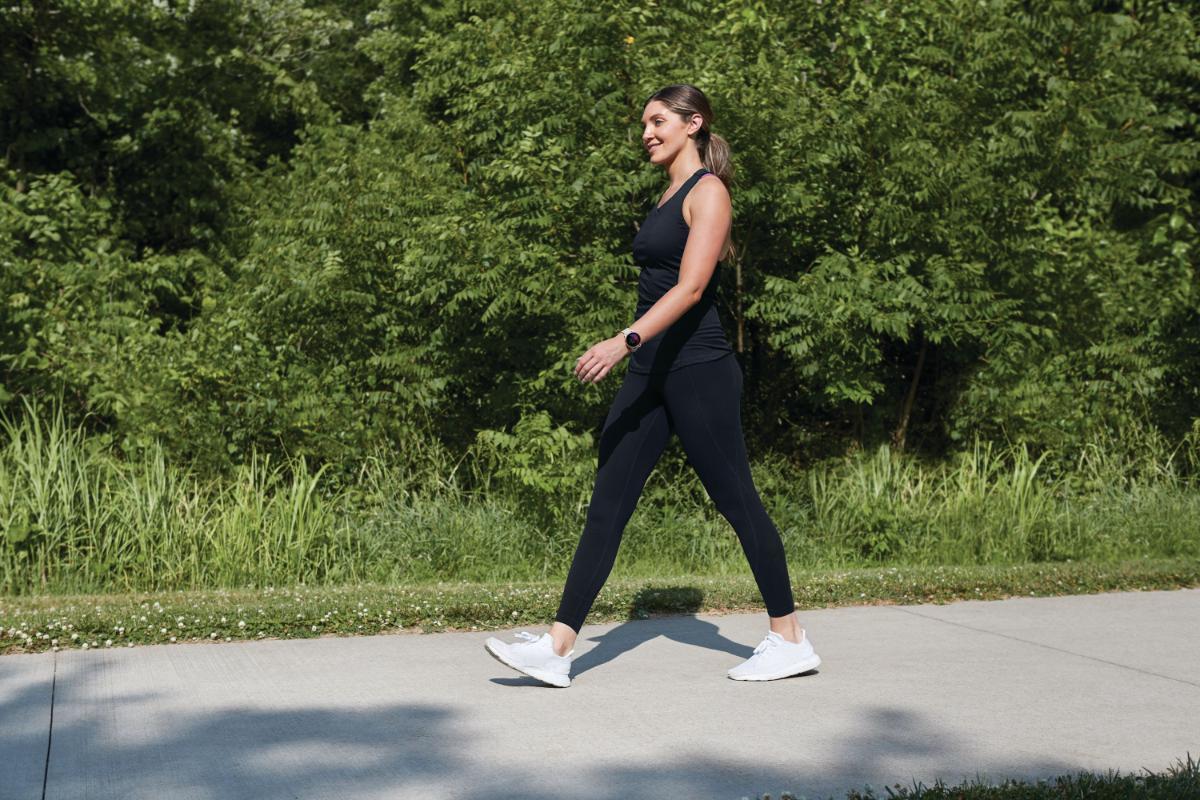
You don’t need to join a fancy gym and invest in a personal trainer to see the benefits. The medical recommendation is to perform 150-300 minutes of moderate-intensity exercises a week, or 75-150 minutes of high intensity exercises for the same duration. Exercises like walking, swimming, or cycling for at least 30 minutes 5 times a week will lower your risk significantly. If you’re an avid runner and prefer high-intensity workouts, 150 minutes a week are perfectly fine.
You can start by walking 30 minutes a day after dinner 5 days a week. You don’t need to go into a complete sprint, in fact, it’s best to keep it moderate.
How Does Your Weight Affect Breast Cancer Risk?
As mentioned before, being overweight after menopause is one of the risk factors you can control. While weight loss has several benefits throughout your body, especially your heart, it has particular benefits for lowering your cancer risk. After menopause, your body stops producing estrogen, which means that any remaining fat tissue in your body is the main source of estrogen.
Having too much fat tissue can raise your estrogen levels and it can also cause chronic inflammation. Chronic inflammation is extremely dangerous for your health as it’s the perfect ground for abnormal cell division to take place.
Furthermore, excess body fat tends to lead to higher insulin resistance, which can also be a reason for abnormal cell division.
Having a healthy diet and controlling your portions is an important change you can make. Maintaining your ideal body weight throughout menopause will have a plethora of benefits for your overall health.

Best Diet for Breast Cancer Prevention
Unfortunately, there are no miracle foods that will prevent you from getting breast cancer. If you see some influencer or websites claiming that certain foods can prevent tumors, ignore them. That being said, diets high in whole grains, vegetables, legumes and berries have been proven to lower the risks of several diseases, including breast cancer. Foods high in fiber are especially important, as fiber helps decrease estrogen in the body by binding to it; try to include more green vegetables, seeds and nuts in your diet.
Foods to avoid are those high in saturated fats (butter, cheese), ultra-processed foods and any food with excessive amounts of sugar. Try not to consume red or processed meats, as they have shown to increase breast cancer risks. The important thing to remember is that a healthy, whole foods-based diet is best for your health in the long run.
Does Drinking Alcohol Raise Your Risk?
You see, there’s something that most breast cancer patients don’t tell you. Drinking alcohol is directly connected to higher rates of breast cancer with each additional drink per day.
Even drinking light or moderate amounts of alcohol, like one glass of wine or beer every day raises your risks slightly. However, the risk is significantly higher when alcohol consumption is heavy. Drinking alcohol increases breast cancer risks through several mechanisms. When you are intoxicated, your body begins breaking down estrogen, which causes estrogen levels to rise. The break down of alcohol also produces a substance called acetaldehyde, which can damage DNA in your cells.
Finally, drinking causes you to consume fewer folate-rich foods and decreases the amount of folate your body can absorb.
Limiting your alcohol consumption to rare occasions, if at all, is one of the best things you can do for your body.
Can Stress and Poor Sleep Increase Breast Cancer Risk?
Sometimes, breast cancer patients will come to me and ask, can the stress you experience trigger breast cancer? I always tell them that stress on its own does not cause you to develop breast cancer. However, chronic stress can bring a plethora of changes to your body, all of which negatively affect your body’s ability to fight off diseases, including cancer. Stress disrupts your normal sleep cycle, putting you at risk of sleeping too little and having poor quality sleep. It can also suppress your immune system, making it harder for your body to attack cancerous tumors
Furthermore, when you are stressed, it’s far more likely you will adopt poor lifestyle habits, like eating badly or smoking.
Having 8 hours of high-quality sleep and finding healthy ways to deal with stress are essential for keeping your immune system as strong as possible.
The Importance Of Screening And Self-Exams
While lifestyle changes can significantly reduce your risk of breast cancer, you should also understand that nothing is absolute. Even the healthiest women can develop breast cancer, which is why early detection is so important. There are two sides to the coin when it comes to breast cancer prevention. The first is what I have been talking about, all the changes you can make to your lifestyle to stay healthy. The other side is regular screening and self-exams.
The two most important things you can do are monthly self-exams and regular doctor’s visits. Mammograms after the age of 40 are also necessary, as they help detect breast cancer at the earliest possible stage when it’s easiest to treat
Frequently Asked Question
1.Can birth control pills raise your breast cancer risk?
It has been shown that the longer you are on birth control pills, the higher your risk is, compared to those who are not on them. However, those risks disappear after 10 years of being off the pill. For most women, this small increase is not worth cancelling contraception, but every woman should speak to her doctor about their individual risk factors.
2.Can drinking green tea or taking turmeric help prevent tumors?
Green tea and turmeric contain lots of healthy antioxidants, but drinking green tea or taking turmeric will not help you prevent breast cancer. Focus on a healthy diet in general to reduce your risks instead of looking for a magic food.
3. What is the best thing I can do to reduce my risks?
If you can only do two things to reduce your risks, it should be exercising and limiting your alcohol intake.
📞 Phone: (+91) 9830088321
🌐 Website: https://drpallabsahasurgeonkolkata.in/
📧 Email: drpallabsaha20@gmail.com