The Importance of Monitoring for Infection Post-Surgery
Surgery is a major step in any treatment plan, and post-operative care plays a critical role in ensuring a smooth and complication-free recovery. Among the most common concerns after surgery is the risk of infection. While modern surgical techniques and sterile environments have significantly reduced infection rates, they can still occur and must be recognized early to prevent serious complications.
In this blog, we’ll help you understand the signs of infection after surgery, why they happen, when to seek medical attention, and how to manage and prevent them. This guide is brought to you by Dr. Pallab Saha, one of Kolkata’s leading general and laparoscopic surgeons, with years of experience in post-operative care and infection prevention.
Why Do Infections Occur After Surgery?
Even under sterile conditions, infections can happen. The risk increases due to:
- The body’s lowered immunity post-surgery
- Poor wound care
- Underlying health issues (e.g., diabetes)
- Smoking, obesity, or poor nutrition
- Improper hygiene
- Use of catheters or surgical drains
Understanding the cause helps in better prevention and early diagnosis.
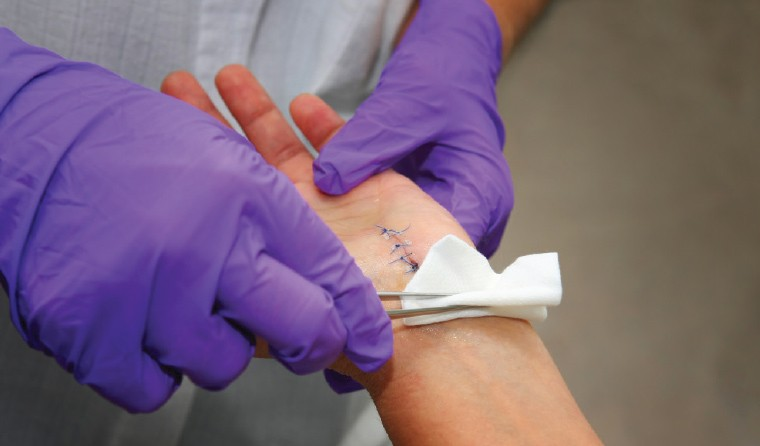
Types of Surgical Infections
Surgical infections can occur in different areas of the body:
- Superficial Incisional Infection – Affects the skin around the surgical incision
- Deep Incisional Infection -Spreads to tissues under the incision site
- Organ or Space Infection – Affects organs or spaces involved in the surgery
Each type requires a different approach, but they often share common warning signs.
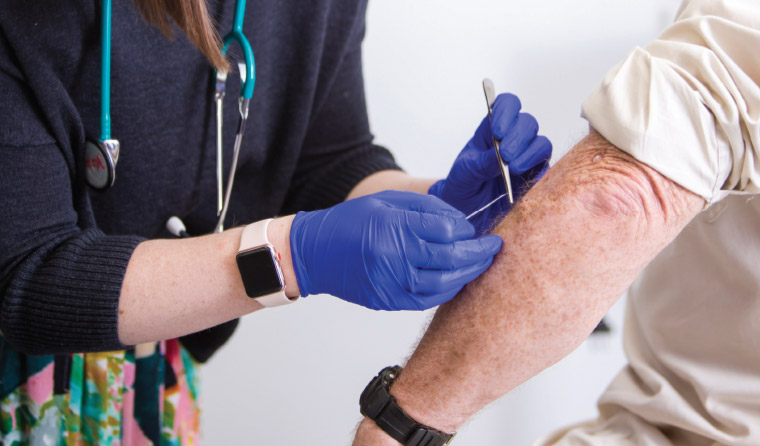
Early Signs of Infection After Surgery
Recognizing the early signs of infection is essential to prevent complications such as delayed healing, abscess formation, or sepsis. Here’s what to watch for:
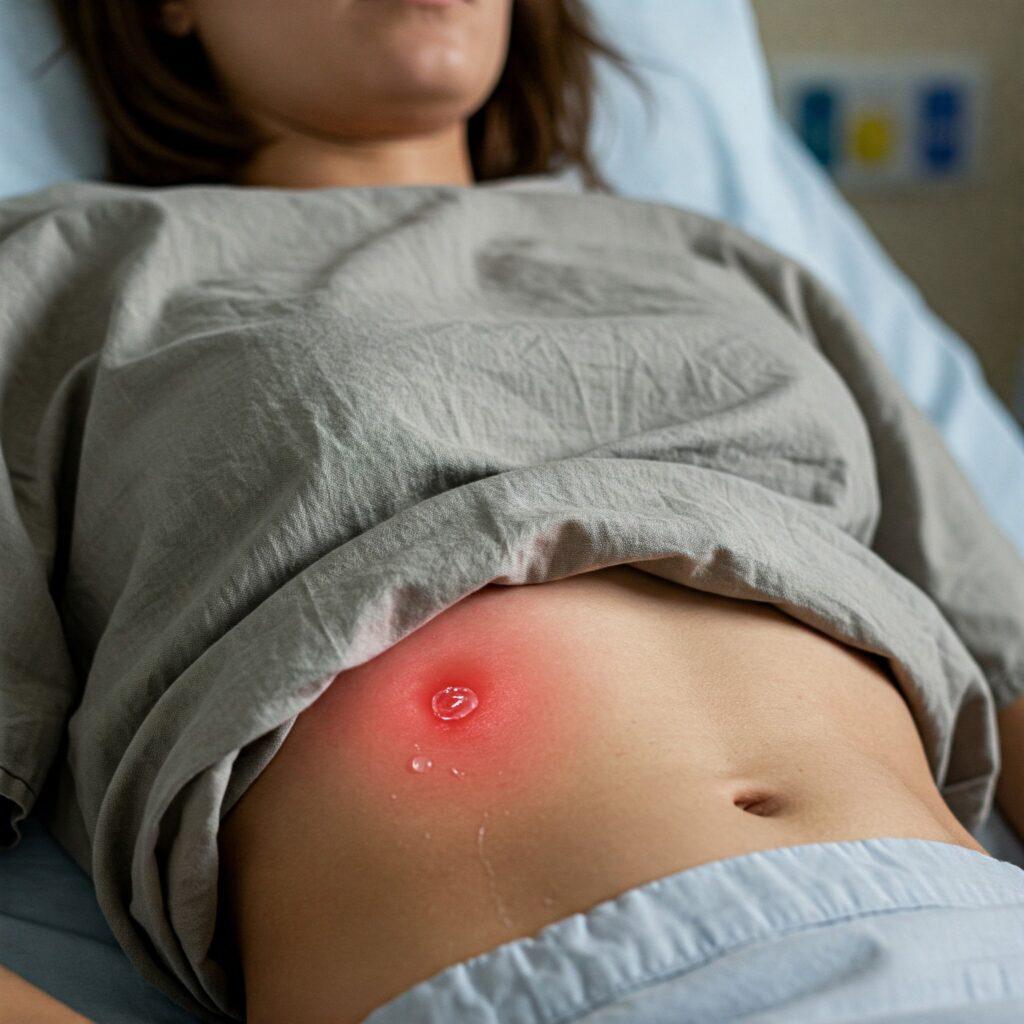
🔴 1. Redness Around the Incision
Mild redness is normal post-surgery. However, if the redness:
- Spreads beyond the incision site
- Becomes warm or painful to the touch
- Deepens in color over time
…it could be a sign of infection.
🔴 2. Swelling and Increased Pain
A little swelling is expected, but excessive swelling or worsening pain after the first few days could signal an underlying infection.
🔴 3. Pus or Unusual Drainage
Drainage that is:
- Thick, yellow, green, or foul-smelling
- Increasing in volume
- Persistent beyond a few days
…can indicate an infected wound.
🔴 4. Fever or Chills
A low-grade fever is common after surgery, but a persistent high fever (above 101°F) or chills could indicate that the body is fighting an infection.
🔴 5. Fatigue and General Weakness
Unusual tiredness, especially if it worsens instead of improving, could be your body’s response to infection.
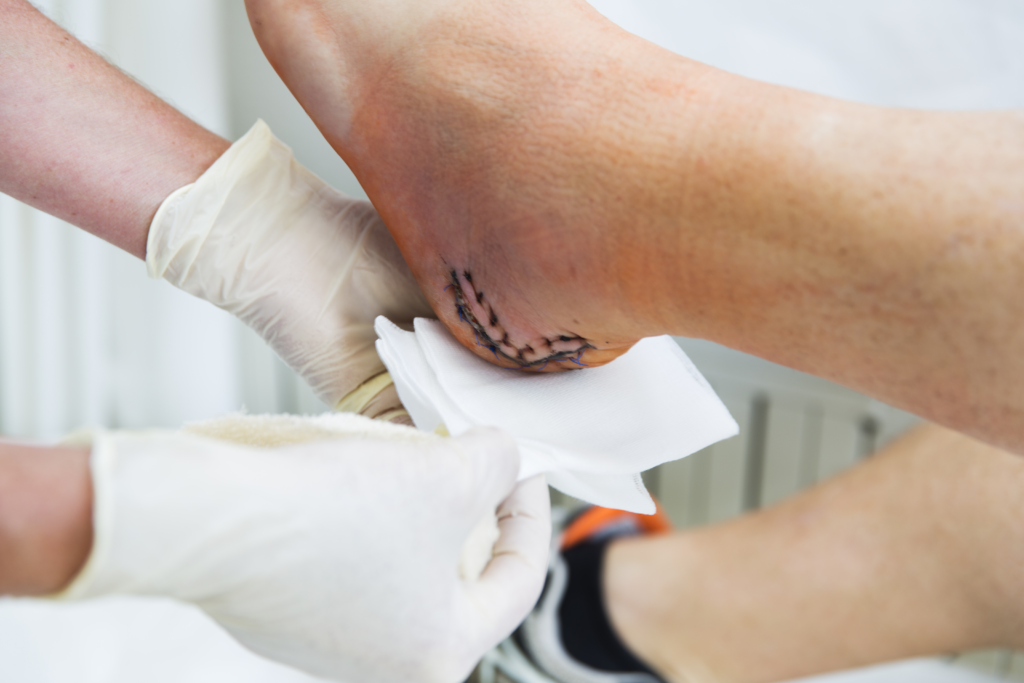
🔴 6. Slow Healing
If your surgical wound isn’t closing properly or healing seems delayed, consult your surgeon immediately.
When to See a Doctor
Seek immediate medical attention if you experience:
- Persistent or worsening pain
- High fever or chills
- Red streaks extending from the wound
- Pus-like discharge
- Excessive bleeding
- Foul odor from the surgical site
Early treatment can prevent the infection from spreading and causing serious complications.
Preventing Infection After Surgery
Prevention is the best cure. Here are simple yet effective tips to reduce the risk of infection:
✅ Follow Post-Operative Instructions
Always follow your doctor’s instructions carefully-this includes medication, wound care, and activity restrictions.
✅ Keep the Surgical Site Clean and Dry
Change dressings as advised. Don’t expose the wound to water or dirt unless allowed by your surgeon.
✅ Avoid Smoking and Alcohol
These impair healing and increase the risk of infection.
✅ Eat Nutritious Food
A balanced diet boosts immunity and promotes tissue repair.
✅ Control Blood Sugar Levels
Patients with diabetes must maintain strict blood sugar control to minimize infection risks.
✅ Avoid Self-Medicating
Never apply ointments or take antibiotics without your surgeon’s approval.
FAQs About Infection After Surgery
❓ Is some redness and swelling normal after surgery?
Yes, mild redness and swelling are part of the normal healing process. However, if these symptoms worsen or persist, contact your surgeon.
❓ Can I prevent infection with antibiotics?
Antibiotics may be prescribed as a preventive measure before or after surgery, but they must be taken exactly as directed by your doctor.
❓ How long after surgery can infections develop?
Infections can occur within a few days to a few weeks after surgery. Some may even appear later, depending on the type of surgery and the patient’s health.
❓ Should I remove or change my surgical dressing on my own?
Only if you’ve been instructed to do so. Improper handling can introduce bacteria into the wound.
Why Choose Dr. Pallab Saha for Post-Surgical Care?
Dr. Pallab Saha is a renowned general and laparoscopic surgeon in Kolkata with a reputation for excellence in surgical precision and post-operative care. His compassionate approach, patient education, and meticulous follow-up make him a trusted choice for patients across the city.
Whether you’re planning a surgery or recovering from one, Dr. Saha ensures that infection prevention and early detection remain top priorities.
Conclusion
Recognizing the signs of infection after surgery is essential to avoid complications and promote faster healing. By staying informed and attentive to your body, you can identify issues early and seek timely medical care. Trusting a qualified and experienced surgeon like Dr. Pallab Saha can make all the difference in your surgical journey.
Get in Touch with Dr. Pallab Saha – General & Laparoscopic Surgeon in Kolkata
📞 Phone: +91 9830088321
📧 Email: drpallabsaha20@gmail.com
🌐 Website: https://drpallabsahasurgeonkolkata.in/
Book your consultation today for expert surgical care and complete post-operative guidance.